I’m thinking about using Decopy AI Humanizer, but I’ve seen mixed feedback and can’t tell what’s real. I need help figuring out if it actually makes AI-written content sound natural, readable, and less likely to get flagged, or if it’s just hype. If you’ve tried Decopy AI Humanizer, I’d really appreciate an honest review before I spend money on it.
Decopy AI Humanizer
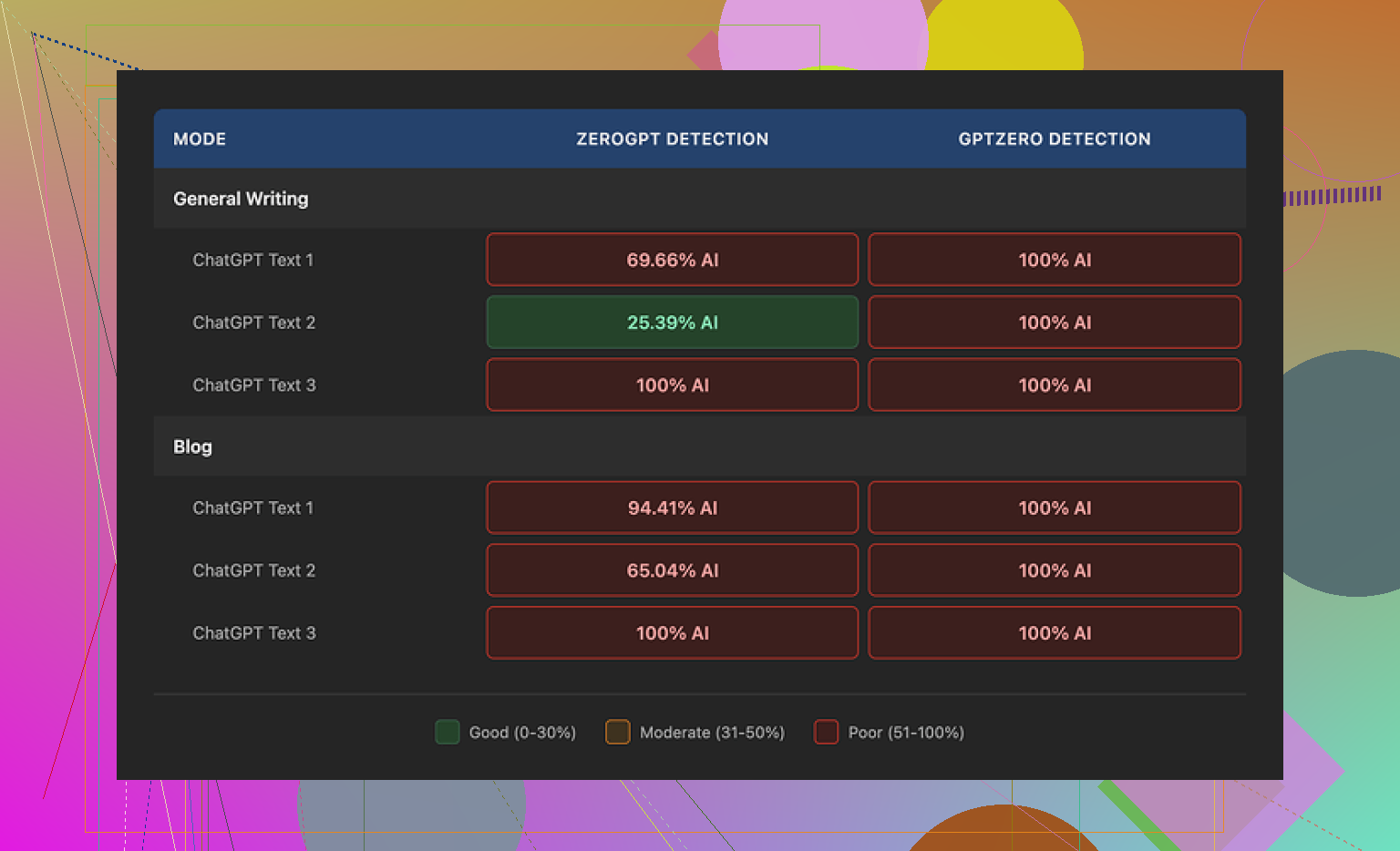
I spent some time with Decopy AI Humanizer, and on paper it looks stacked. You get 500 free runs, up to 50,000 characters at a time, eight tone options, nine purpose presets, and a sentence rewriter for fixing one line without rerunning the whole block. For free, that is a lot. The bad part showed up fast in testing. The output still read like AI to the detectors I tried. GPTZero marked every sample as 100% AI in both General Writing and Blog mode. ZeroGPT bounced around more, somewhere from roughly 25% up to 100%, depending on the passage.
One thing I noticed right away, Decopy does not wreck grammar. I care about that more than flashy settings. Some other tools, like UnAIMyText and HumanizeAI.io, tend to leave weird phrasing or broken sentences behind. Decopy stayed cleaner. I’d put the writing quality around 7/10 in Blog mode and 7.5/10 in General Writing. Still, the wording gets dumbed down too much. Blog mode felt like it was written for a little kid. General Writing was less awkward, but I still got lines using phrases like “digital stuff” and “totally changing tech,” which sounds off if you need something usable for adults. At least it did not bloat or shrink the text much, so the original length stayed mostly intact.
Privacy looked more defined than I expected. The policy gives a three-month retention window and says it follows GDPR and CCPA rules. What I did not find was a clear explanation of what happens to the text you paste in for rewriting. For me, that gap matters more than the compliance badge language.
After side-by-side testing, Clever AI Humanizer did a better job on the humanization side, and I did not have to pay for it.
12 Likes
I tested Decopy on product copy, blog paragraphs, and one academic-style section. My take is a bit different from @mikeappsreviewer. I think the bigger issue is not grammar. It is voice control.
It cleans text well. It removes some stiff AI phrasing. Readability improves a little. If your goal is smoother first drafts, it does ok.
If your goal is lower detection risk, I would not trust it. My samples still got flagged too often to use it for anything high stakes. The output also flattens nuance. You lose specifics. Some lines sound too safe, too generic, and a bit childlike. Thats the part I disliked most.
What I’d do:
- Use it only for rough rewrites.
- Re-edit line by line yourself.
- Add concrete details, opinion, and uneven sentence rhythm.
- Test small chunks, not full essays.
So, decent cleanup tool. Weak humanizer. Not a final-step tool, imo.
I land somewhere between @mikeappsreviewer and @sterrenkijker, but a little less harsh on one point: Decopy is not useless, it’s just mislabeled. Calling it a “humanizer” oversells what it actually does.
What I saw was this:
- It does make text smoother
- It usually keeps grammar intact
- It can trim some obvious AI stiffness
- But it does not reliably create a real human voice
That last part matters most. A lot of these tools confuse “simpler” with “human.” Decopy does that too. The copy gets easier to read, sure, but also flatter, safer, and kinda bland. If your original draft already lacked personality, Decopy won’t magically add one. It may actually sand off more of it.
On detection risk, I would not rely on it at all. Detector scores jumping around is normal, but if a tool still leaves text getting flagged often, that’s a sign the rewrite is mostly surface-level. It swaps phrasing without changing the deeper rhythm, specificity, or thought pattern. Detectors often react to that stuff too, not just word choice.
Where I slightly disagree with the others: for low-stakes use, Decopy can still be handy. Stuff like product blurbs, basic website text, rough email drafts, maybe. But for essays, thought leadership, anything client-facing, or anything where being flagged would be a problem? Nah. Too risky, too generic.
My short verdict:
- Naturalness: 6/10
- Readability: 7/10
- Detection resistance: 3/10
- Voice/personality: 4/10
So yeah, usable as a cleanup pass. Not believable enough as a final human rewrite. That’s the diffrence.