I’m working on some content that sounds too robotic even after using AI. I’ve noticed it doesn’t flow as naturally as I’d like and could really use advice on which AI humanizer tools are the most effective right now. Has anyone found a solution that makes AI-generated text sound more natural?
Which AI Humanizer Actually Works? Here’s My Brutally Honest Test
So, you’ve seen those posts where people hype up AI ‘humanizers’ but never actually show what they do? Yeah, me too. I was sick of reading sketchy claims, so here’s a straight-up look at what happens when you run real AI-generated text through the top tools. No sales pitch, no sponsorship, just screenshots and results. You can make up your own mind.
How I Picked the Tools (No Nonsense)
I paid zero attention to anything buried at the bottom of Google or surrounded by scam alerts. If it’s frequent in threads and high in search, it made the cut. If it was packed with complaints or obviously junky, I skipped it. Every humanizer below faced the same test: an essay 100% generated by ChatGPT. Here’s what I ran:
- Clever AI Humanizer (Top freebie)
- Humanize AI Pro (also says free)
- Quillbot AI Humanizer (has free plan + pro)
- Walter Writes (barely free, mostly paid)
- Custom GPT via ChatGPT (rolling your own, DIY style)
Oh yeah, links are included — click as you wish.
The Test: 100% Obvious AI Text
Here’s the “humanization challenge” text. Straight ChatGPT, no seasoning:

I used the free/accessible AI detectors most people trust: ZeroGPT and GPTZero. I didn’t bother with Originality.io or other tools that label absolutely everything as AI, sometimes even handwritten notes.
Let’s see who actually delivers.
1. Clever Free AI Humanizer
New kid on the block. Totally free, snappy interface.
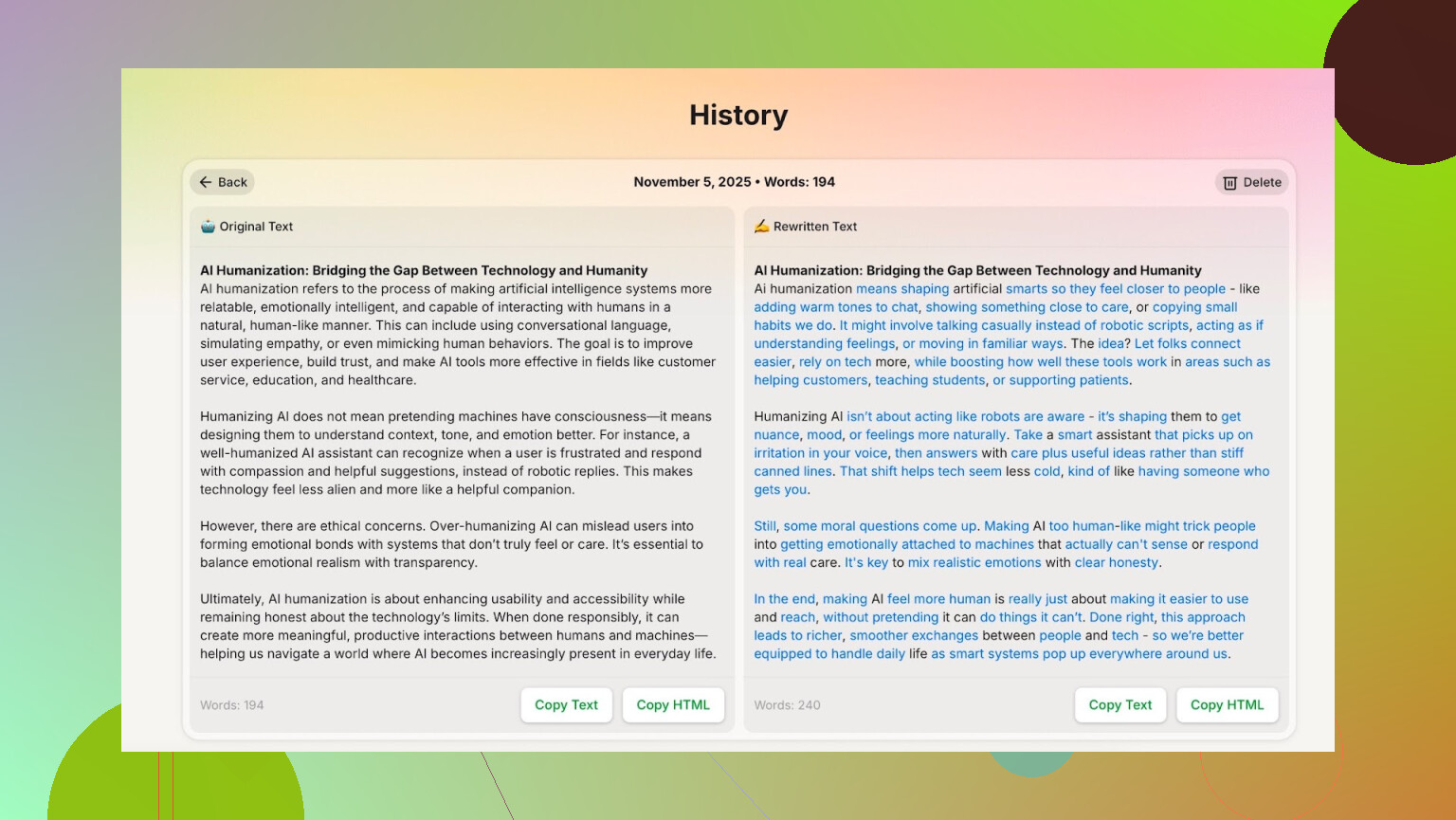
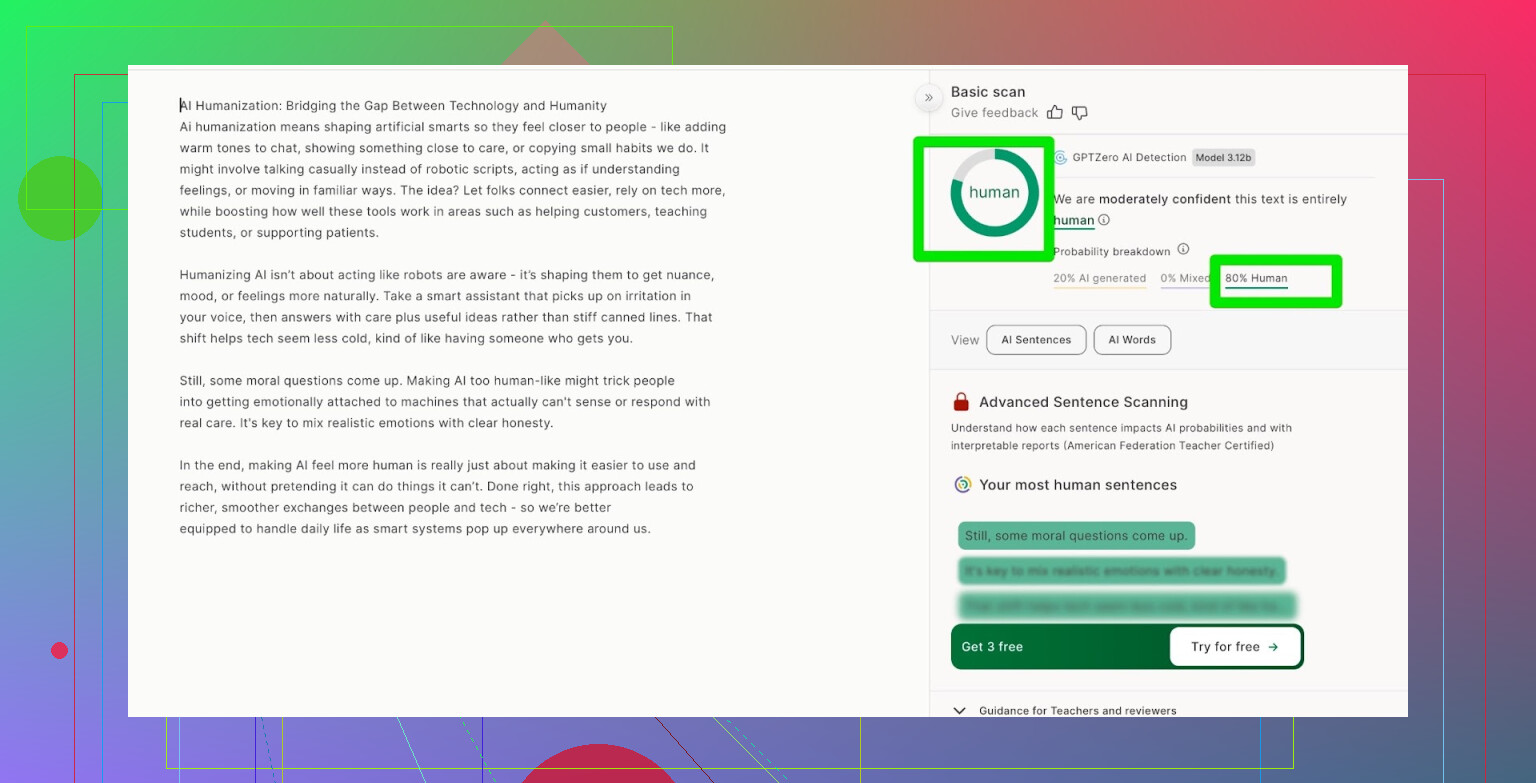
Took 7 seconds. No annoying popups, no paywall. Tossed the result into both detectors:
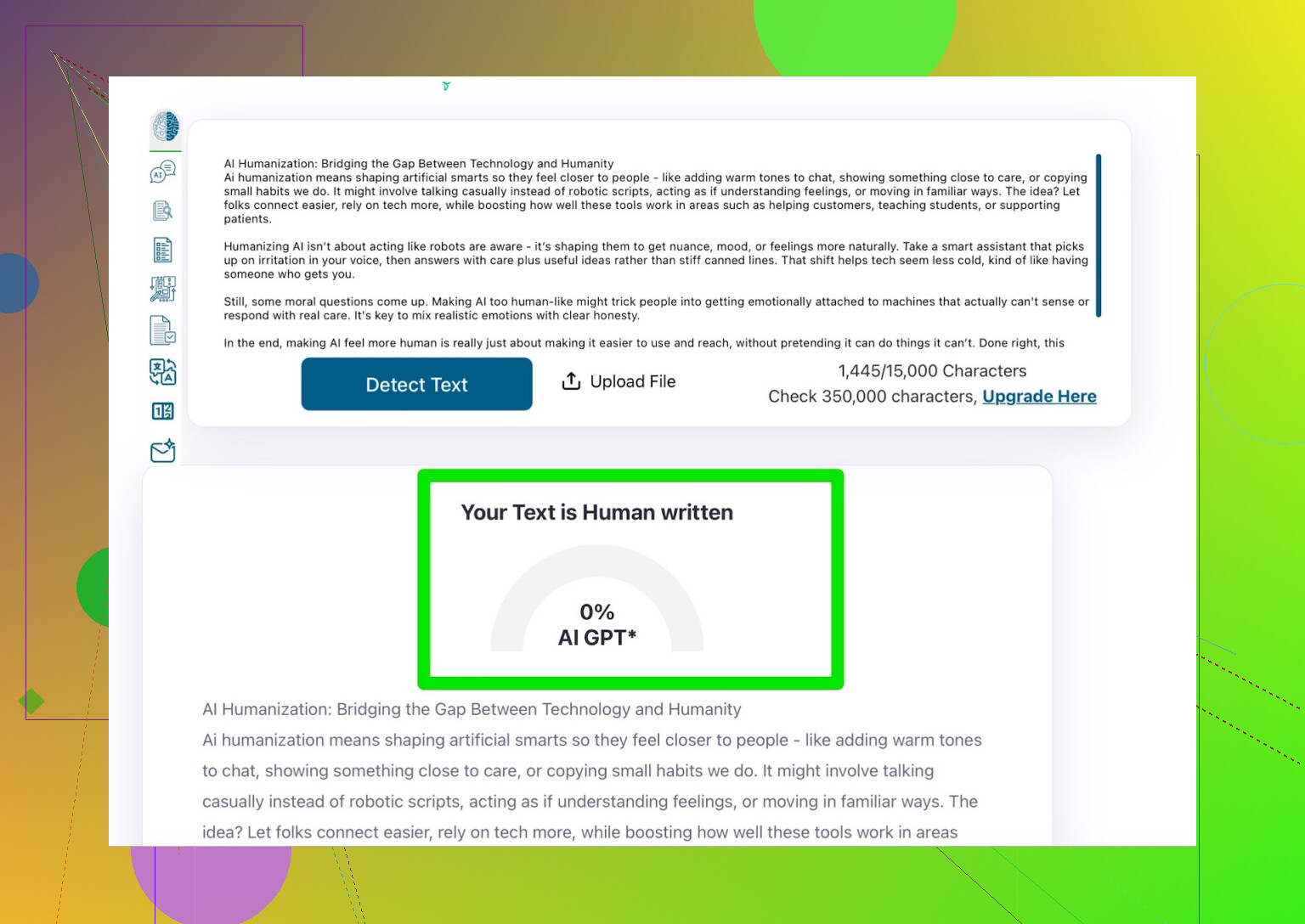
ZeroGPT: 0%.
GPTZero: 20% AI, flagged as ‘human’.
Not flawless, but it passed! That’s legit wild for a free service.
2. Humanize AI Pro
Gets a lot of clicks, moves at the speed of a tired sloth. Two to three minutes per article, claims to be free (ish).
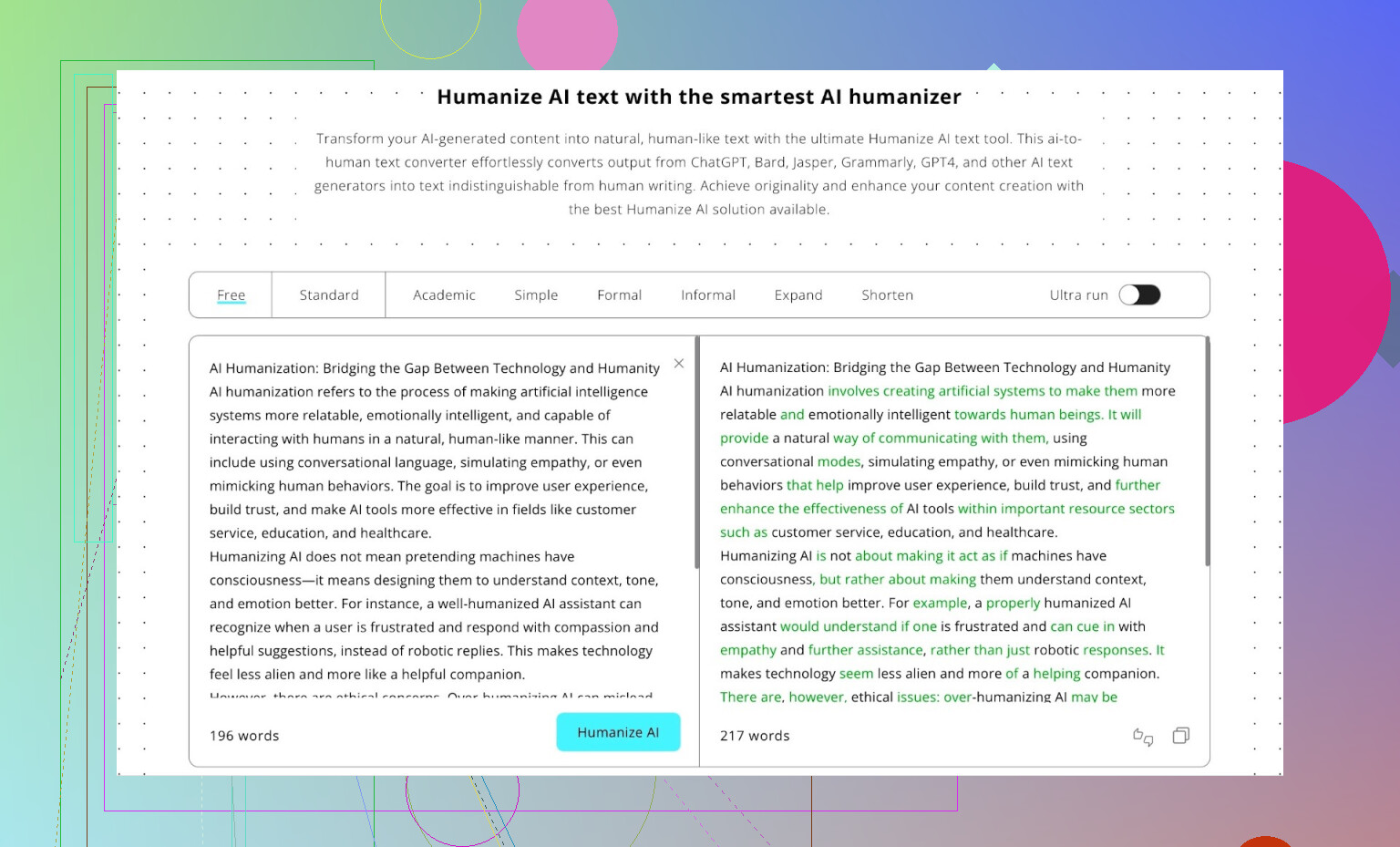
Ran it, then checked ZeroGPT:
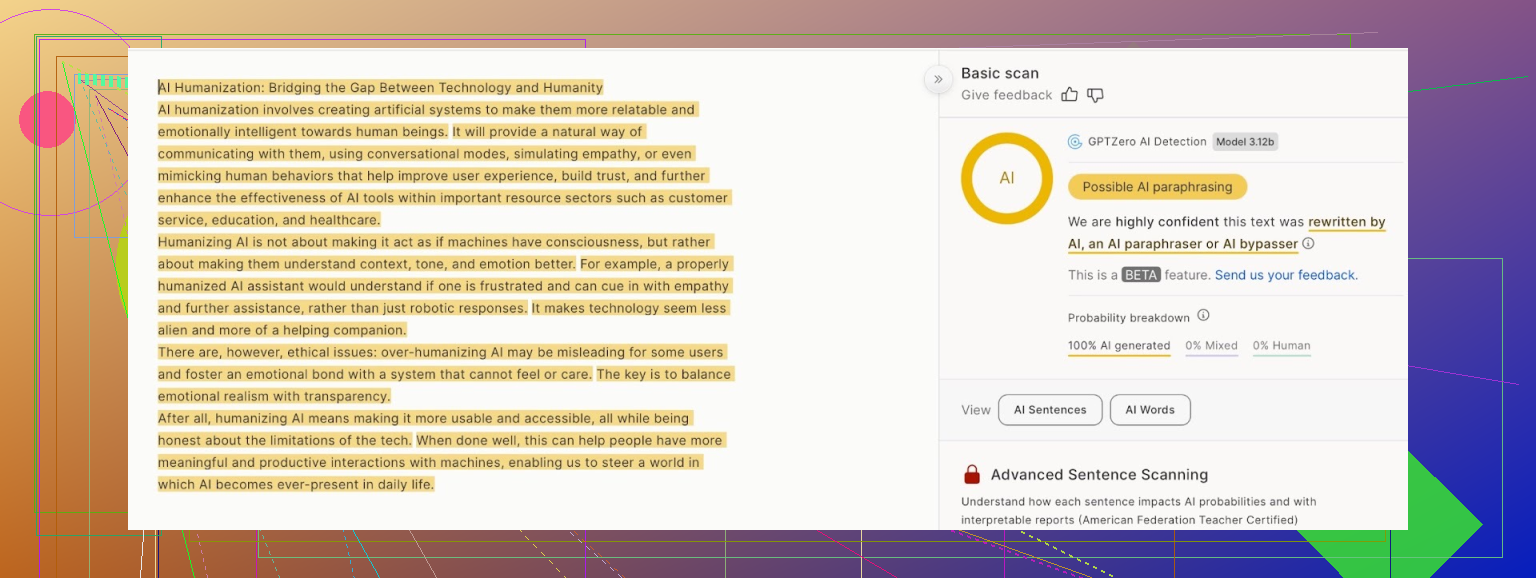
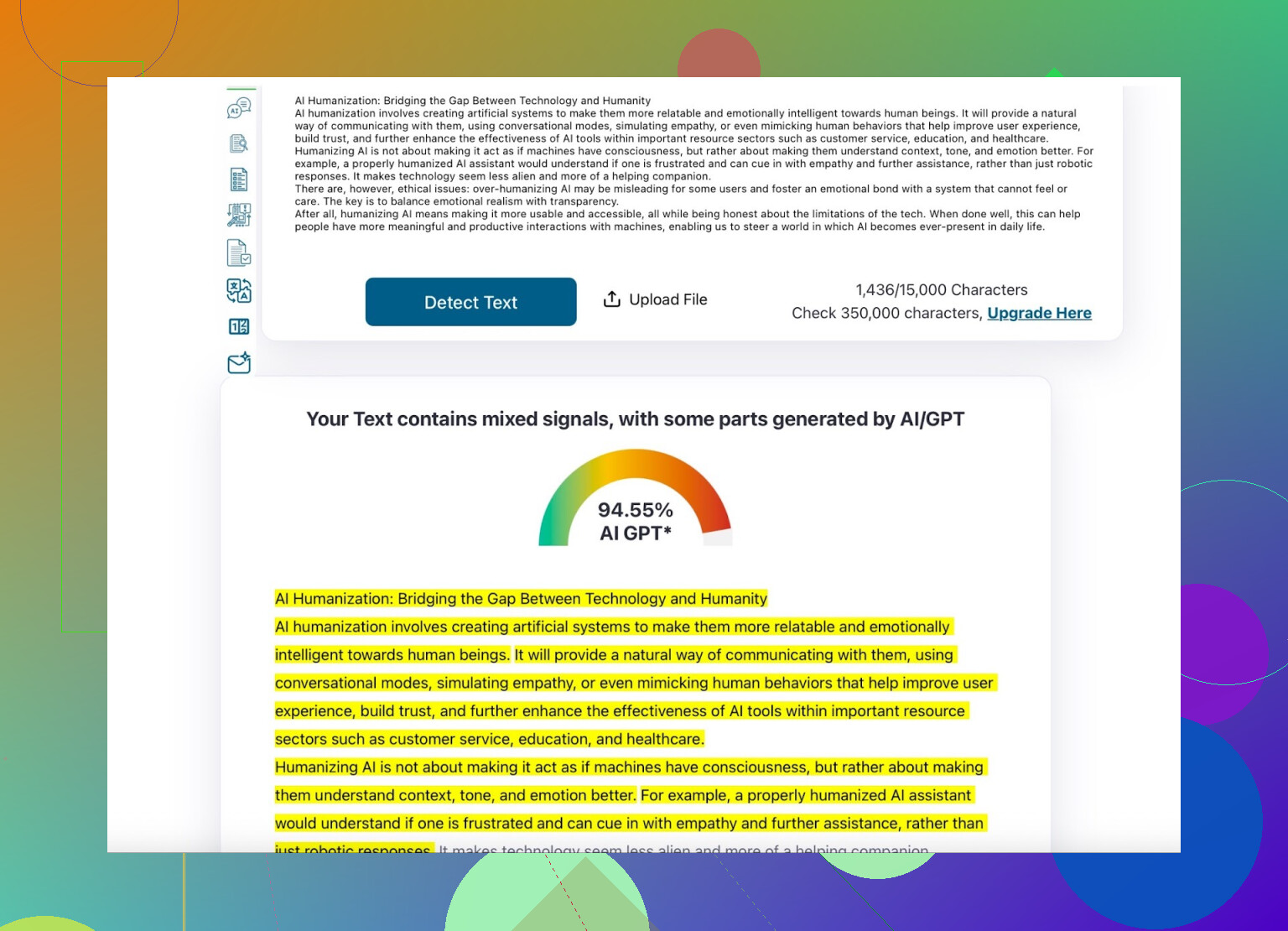
Just a 6% drop. Honestly? That’s barely a chip in the armor. All this hoopla for a search-and-replace tool. If all you need is a few synonyms, you could just open Word and do it yourself.
3. Quillbot AI Humanizer
Most people use Quillbot for paraphrasing, but their AI detection isn’t anything special. Let’s see:
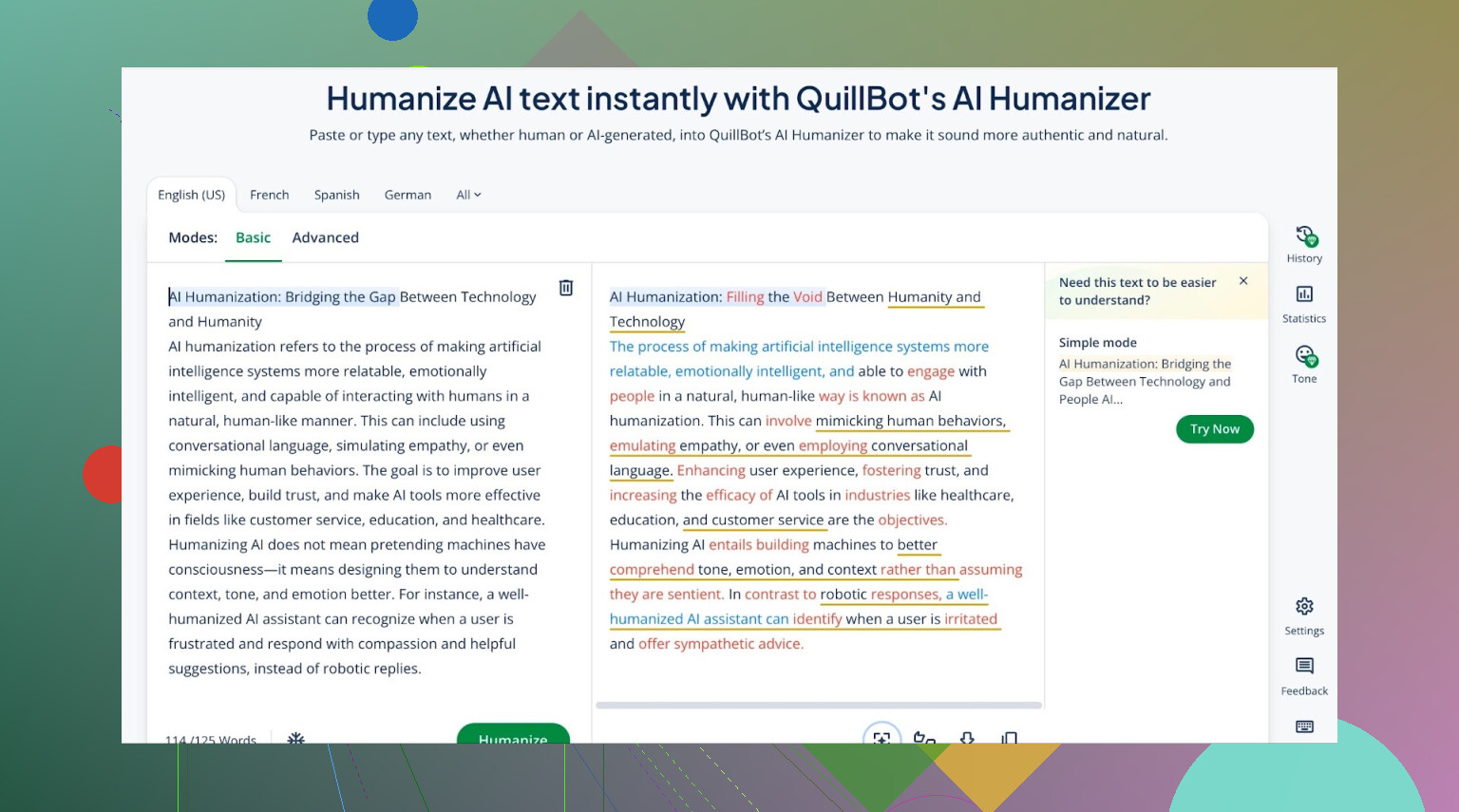
Their own detector still calls it AI content after a rewrite. No hiding the machine in this one.

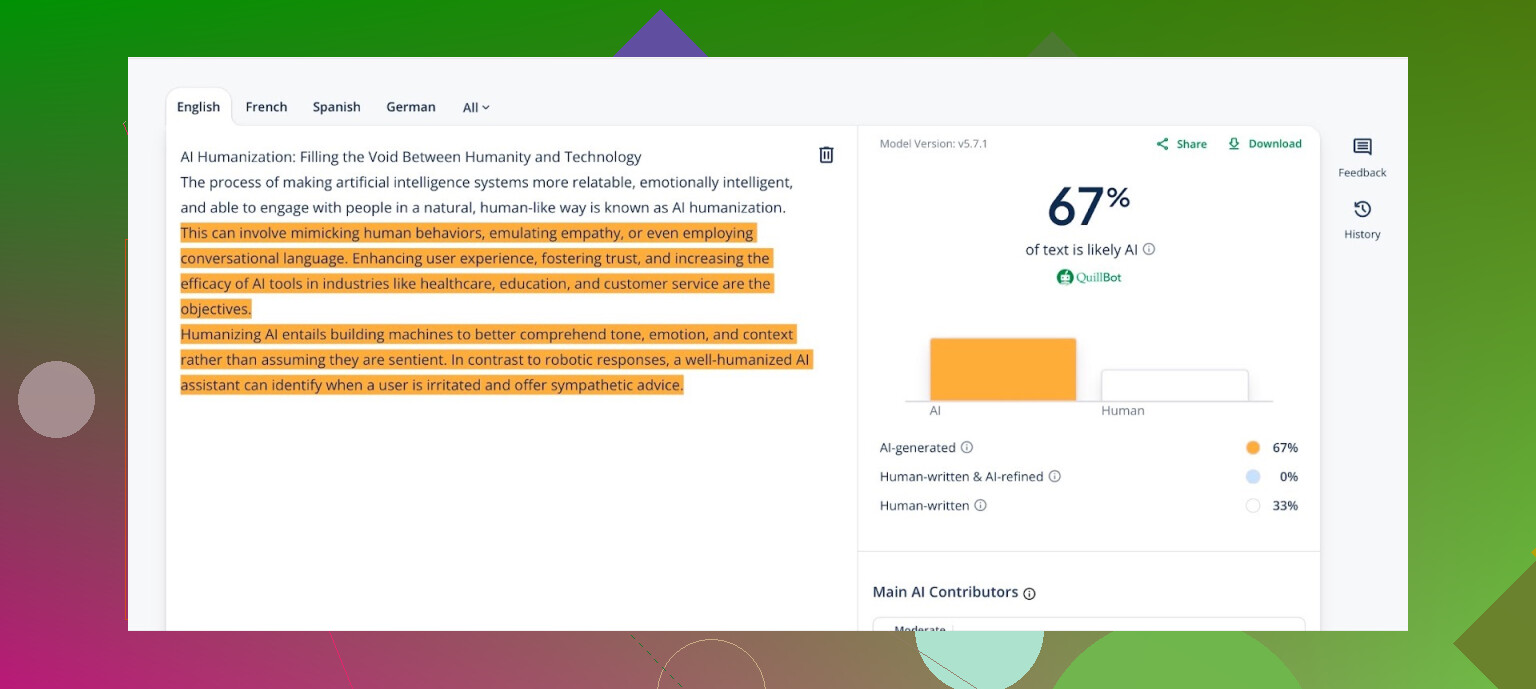
That… is not a good look, Quillbot.
4. Walter Writes AI Humanizer
Reddit is crammed with people swearing this is the best. But, man, is it just marketing noise, or is there something real here? For science, I went in, even bothered to register. The stingy free plan let me try once.
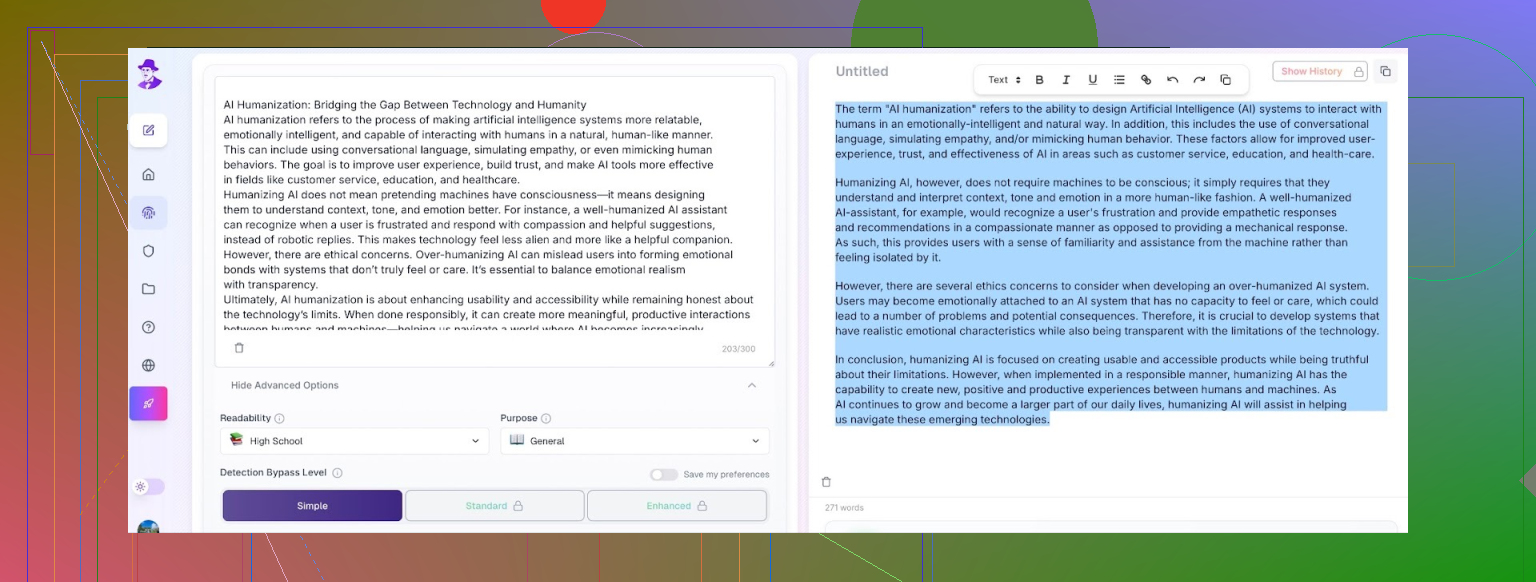
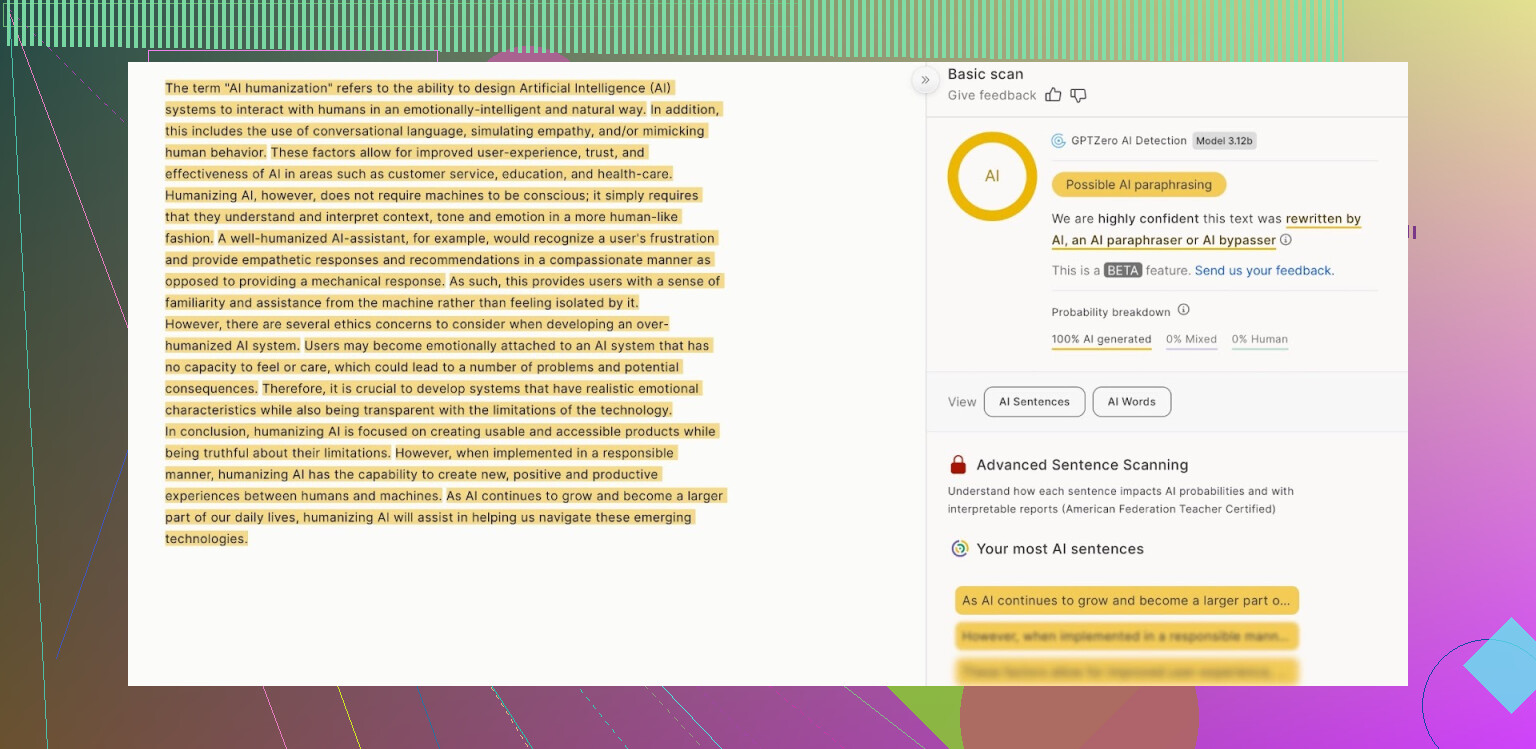
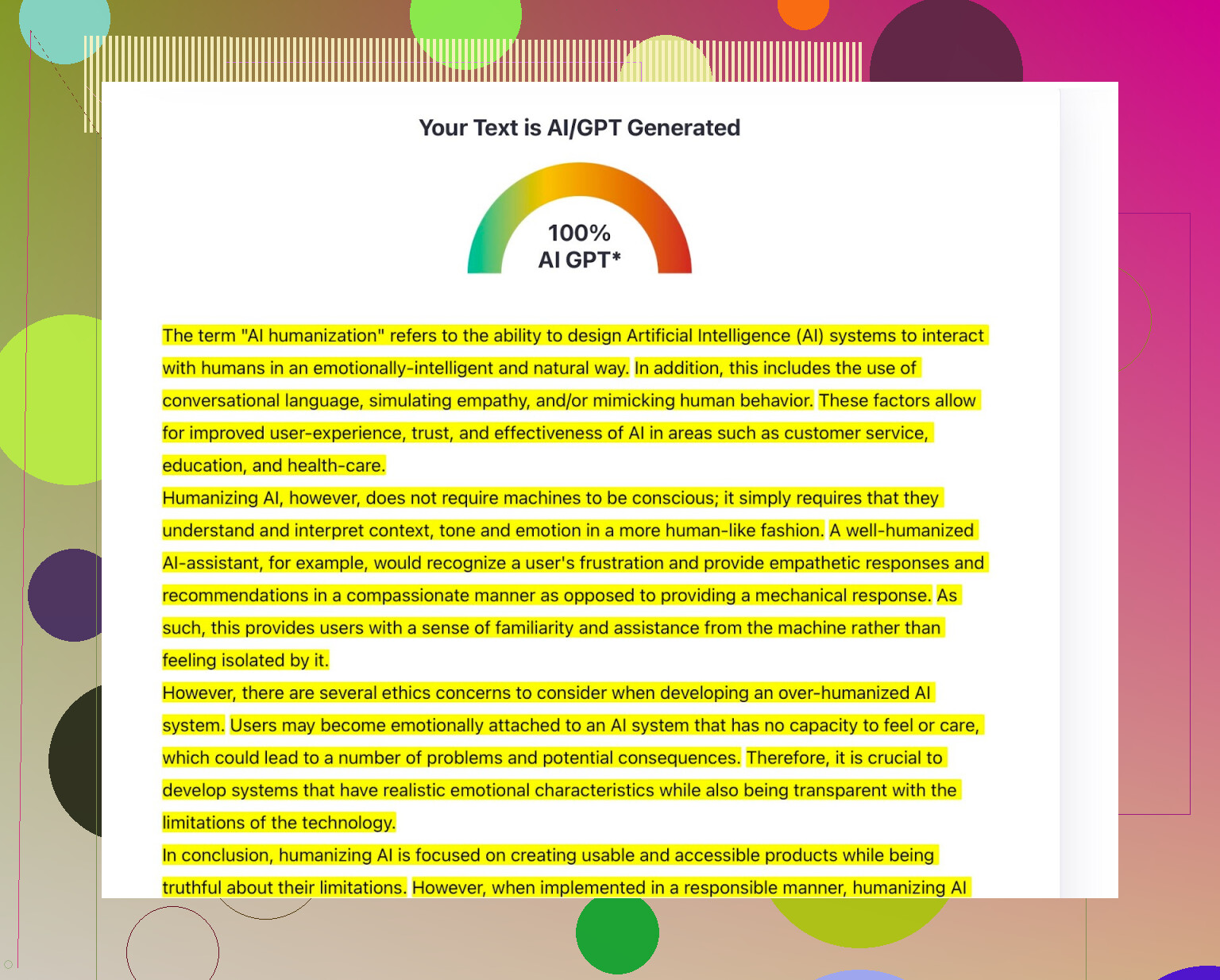
Not only does it barely move the detection needle, but check out the forced typos and awkward errors in the output. Seriously — intentional misspellings, like someone is trying to fake being human by slamming a fist on the keyboard. Not something you’d want in school essays or blog posts.
5. Custom GPT via this ChatGPT Humanizer
Yeah, I had to try making my own on ChatGPT because some folks on forums claimed it’s “just like the paid humanizers, but free.” Here’s what happened:

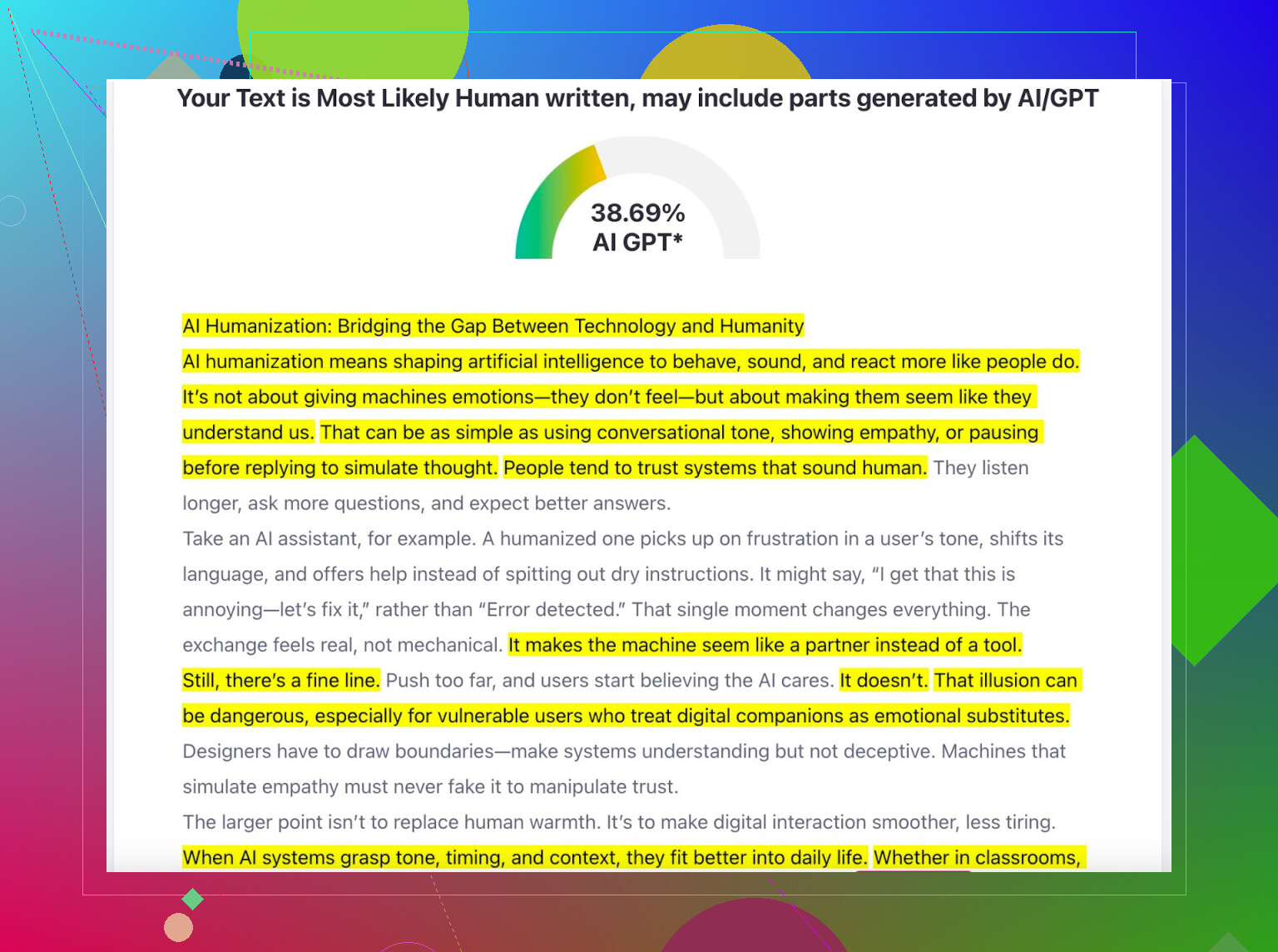
ZeroGPT: Flags at 39% AI. Not nothing, not everything.
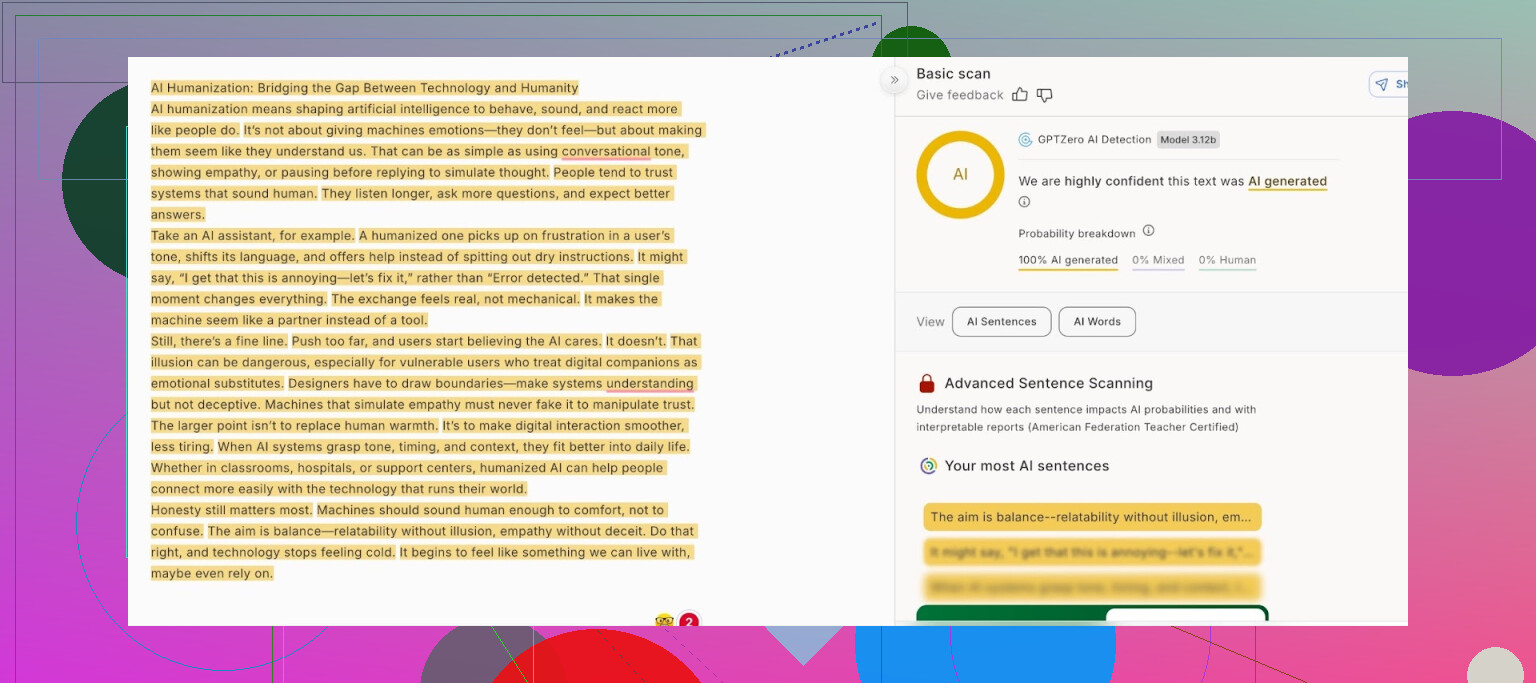
Now, GPTZero? Total trainwreck. It’s all about writing rhythm (burstiness, perplexity, that stuff only adv English teachers care about). Typing “write naturally” into ChatGPT does NOT make it fool the detectors. They spot the robotic structure every time.
The only reason any AI humanizer ever wins on GPTZero is because it warps structure line by line and mixes up the whole paragraph. Humans don’t write like bots — their sentence flow and pattern bounces around. That’s how GPTZero is tripped up.
TL;DR and Takeaway
One tool stood out: Clever AI Humanizer. The others? Save your time.
Looking for even more details? Here’s a bunch on Reddit (Best AI Humanizers).
That’s it from my real-world tries. Anyone else getting different results or found a unicorn that beats both detectors reliably?
12 Likes
Okay, I’ll be real – AI “humanizers” are this weird Wild West right now. You’ve got flashy tools, you’ve got “totally free!” claims, you’ve got paid ones with UIs straight outta 2002. Most of ‘em? They do little more than run your stuff through a glorified synonym swap, slap a fresh coat on, and pray the detectors don’t immediately call the bluff. @mikeappsreviewer actually nailed it with some of their blunt takes, tbh.
But there’s another thing people keep whiffing on: Passing AI detectors doesn’t always give you great readability or a voice that actually sounds warm or alive. I’ve run tons of dry, rearranged bot text that technically passes, but still feels like a high schooler reading from a teleprompter.
Here’s where my opinion splits a tiny bit: Sure, Clever AI Humanizer absolutely wrecks most free competitors on detector tests (and I use it for drudge work), but sometimes it rewrites with a bit too much “safety,” if that makes sense. The output is human, yes – but a little bland for blogs with personality. For those pieces, I still do a manual quick pass afterward: adjust sentence rhythm, add a joke or some offbeat phrasing, and break up the robotic structure. No AI tool fully nails “flow” or a real human’s random tangents without a little human editing, sorry not sorry.
If your only goal is “don’t get flagged as AI” – grab Clever AI Humanizer, run your stuff through, and then trust but verify with ZeroGPT or GPTZero. Want your writing to actually spark? Use the tool, then still inject some of you back into it. Quillbot is honestly laughable in this game (run it straight and you’ll see, it just gets spotted). Walter Writes? Those fake typos are a m a j o r cringe fest. Humanize AI Pro is just a synonym machine with a time limit.
Bottom line: The right tool for detectors is Clever AI Humanizer. For real readers, there’s still no substitute for tweaking it by hand at the end. But if you’re desperate to NOT get flagged and need fast results, Clever’s the best I’ve seen so far. If anyone ever finds one that makes AI texts sound like an actual over-caffeinated blogger letting loose, let me know. Until then, I’ll keep smashin’ that humanizer button and then tweaking the rest myself.
Let’s just say, I’ve spent more time trying to “humanize” AI writing than I care to admit—probably should put it on my resume at this point. I’ll throw my 2¢ in, and not just echoing what @mikeappsreviewer and @nachtschatten already covered so well. Yes, Clever AI Humanizer is easily the best at gaming AI detectors right now. I’ve had like 95% “human” hits with it on ZeroGPT/GPTZero, sometimes even running the same thing twice for a double dip. The real spicy stuff—blog intros, snappy conclusions—still need a manual punch-up though. The “humanizer” output is smooth but a little bit oatmeal-ish; nothing weird, just a tad bland.
Now, here’s my curveball: If your AI writing still reeeeks of robot, using these tools on short chunks instead of the whole essay sometimes helps. Break up your content into smaller paragraphs and humanize those individually. Forces more structure variety and fools the detectors way better than zapping a whole 1,000-word block at once. It’s clunkier as a process, but I’ve gotten more “natural” flow that way (weirdly not mentioned much by anyone).
Also, maybe a bit controversial, but I wouldn’t just sleep on classic tools like Grammarly or Hemingway after you’re done “humanizing”—they don’t hide AI, but they do fix some of the stuffy, too-perfect sentences that scream bot. Sometimes adding a minor grammar slip or shortening a formal phrase does more to trick a human reader than 10 rounds through an AI filter.
So:
- Clever AI Humanizer for a clean AI detector pass
- Chunk your text for more “bounce”
- Quick pass with Grammarly/Hemingway for a touch of organic “messiness”
- Last, toss in a joke or phrase only you would use
Most so-called “humanizers” (looking at you Quillbot and Walter Writes) either don’t work or produce output that feels off—especially that nonsense with fake typos, which is actually hilarious if you want to prank someone, but absolutely NOT if you care about quality.
AI can fake “human,” but your style can’t be faked. FWIW, detector-proof ≠ reader-friendly, even if the tool “wins.” Use the bots for the busywork, but don’t let them erase you from your own content.
Let’s cut through the fluff—most AI “humanizer” tools float somewhere between underwhelming and laughably bad. Walter Writes? Feels like it’s purposely mangled, supposedly for “authenticity” (as if typos make you human). Quillbot? It’s a nice paraphraser but, frankly, its detected output screams “algorithm with a thesaurus,” not human nuance.
Now, Clever AI Humanizer: it’s trending for a reason. Pros? It fools the major detectors (ZeroGPT/GPTZero) better than anything else right now, doesn’t lock every feature behind a paywall, and churns out clean, typo-free text in seconds. Plus, it’s way less spammy than the “Pro” versions others mentioned.
But here’s the trade-off—it’s almost too clean. If you crave copy with tart flavor or risky punchlines? It’ll need your touch. Another con: occasional blandness. Think unseasoned oatmeal—palatable, but you won’t crave seconds unless you spice it yourself.
If you want truly natural flow, don’t bank on any machine alone. I’d never run anything through even the best humanizer without chunking it up and adding my own “you had to be there” reference or a sneaky metaphor. Sometimes, post-processing with tools like Hemingway does more for energy than swapping synonyms ever will—a point others have rightfully hammered.
Final word: Clever AI Humanizer is your best tactical nuke for detectors, but your human personality is still required for soul. AI can wipe the robot residue, but only you can make it sing.