ContentDetector.AI Review

I pasted a 743-word tutorial I wrote into ContentDetector.AI, then checked one paragraph separately. The results seemed to point in different directions, even though I hadn’t changed the wording. I’m not sure whether the score is supposed to mean confidence or the amount of AI-written text.

For checking my own drafts before sending them to an editor, should I use the whole document or smaller sections? Could the technical instructions in a tutorial affect how I should interpret that score?

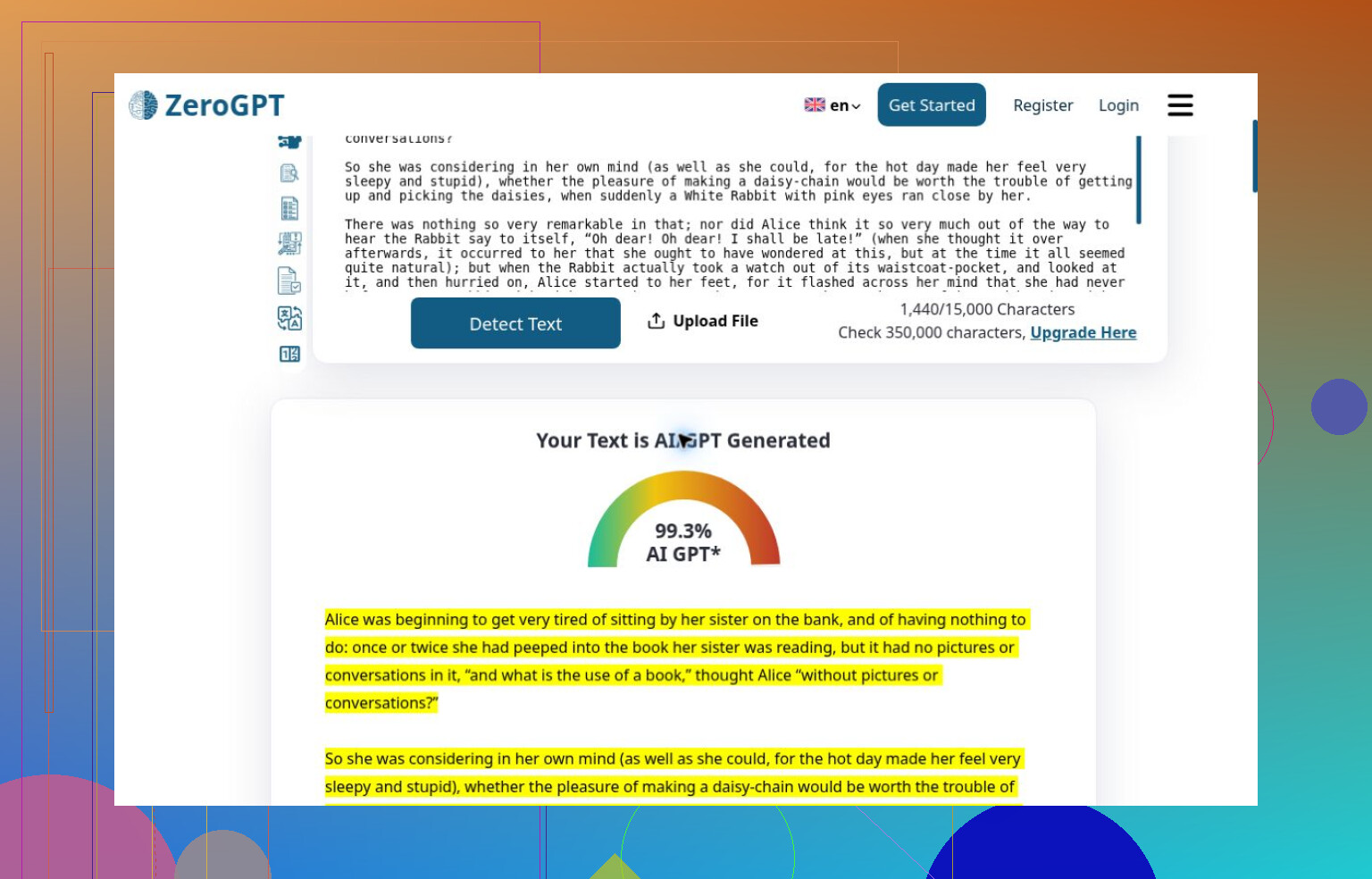
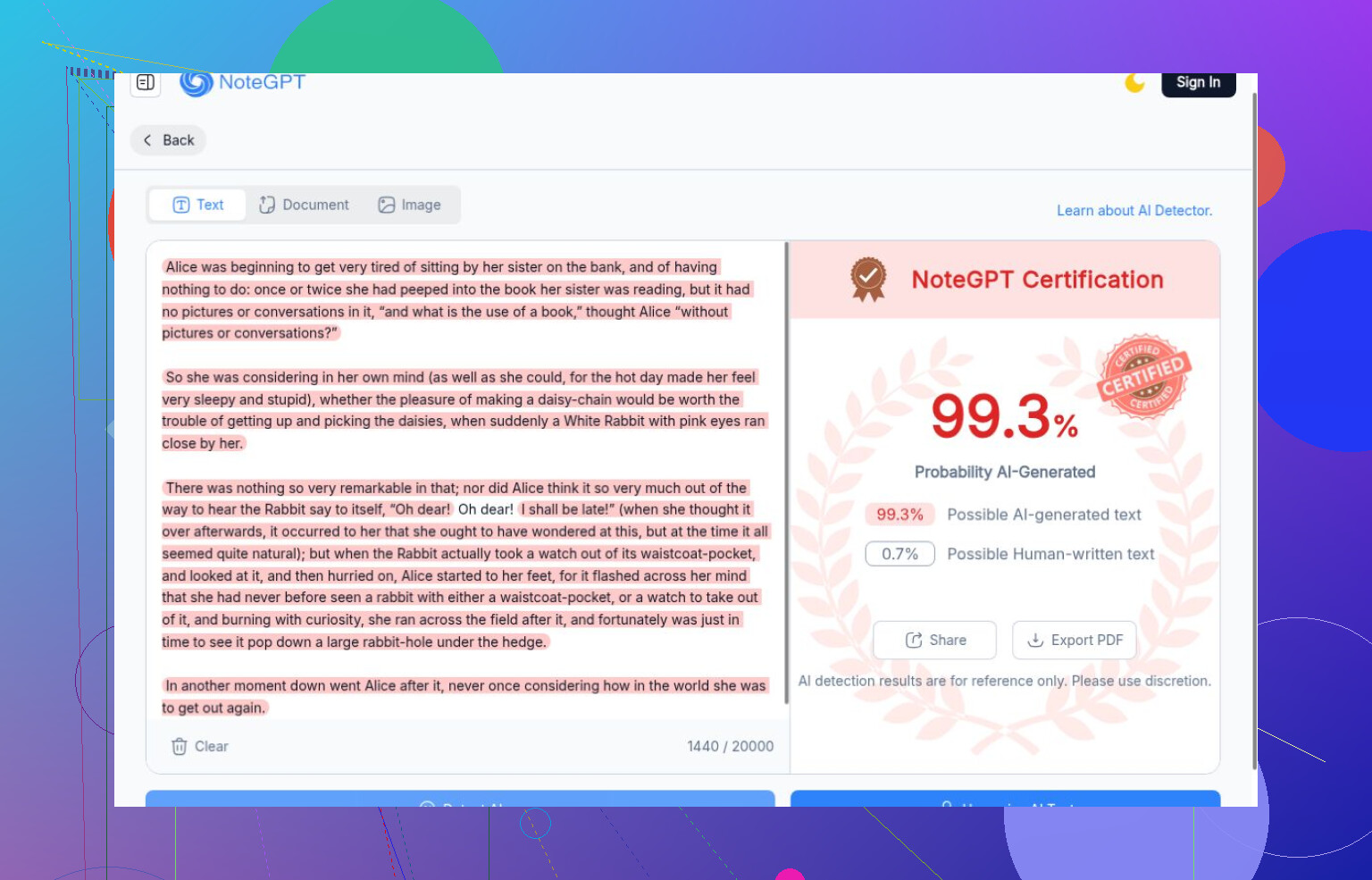
99.3% AI was the verdict on a genuine Lewis Carroll excerpt from both ZeroGPT and NoteGPT. That is the result I would keep in mind before trusting any of these scores. ZeroGPT caught all four generated passages, but rated the human writing above every one of them.


A confident label can still be wrong

I checked 24 tools on October 2–3, 2026, using six unchanged English passages: an AI essay, memo, paraphrase, fictional personal story, Carroll, and Carroll lightly edited by AI. Some samples were related. This was a small comparison, not a broad accuracy study.

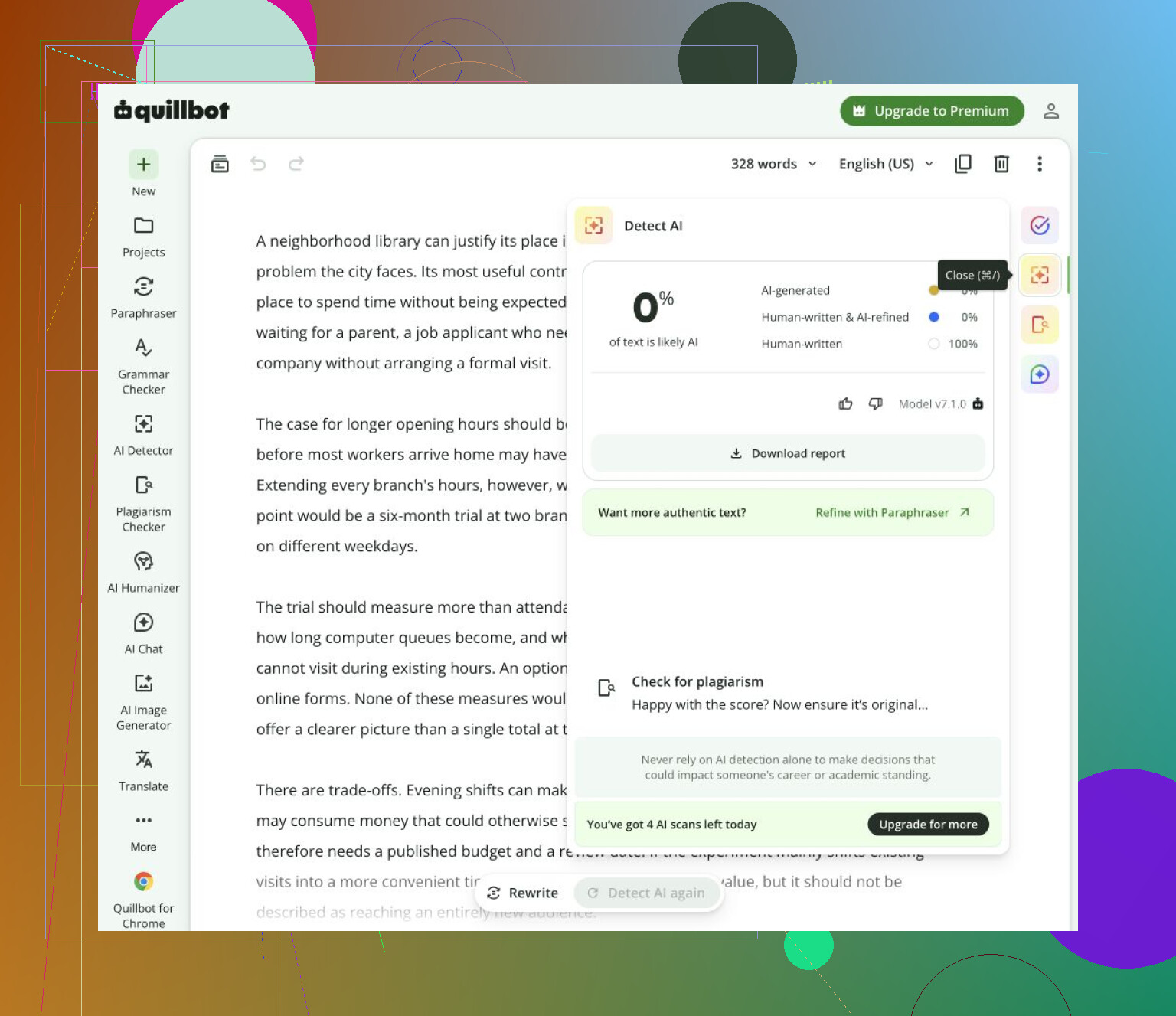
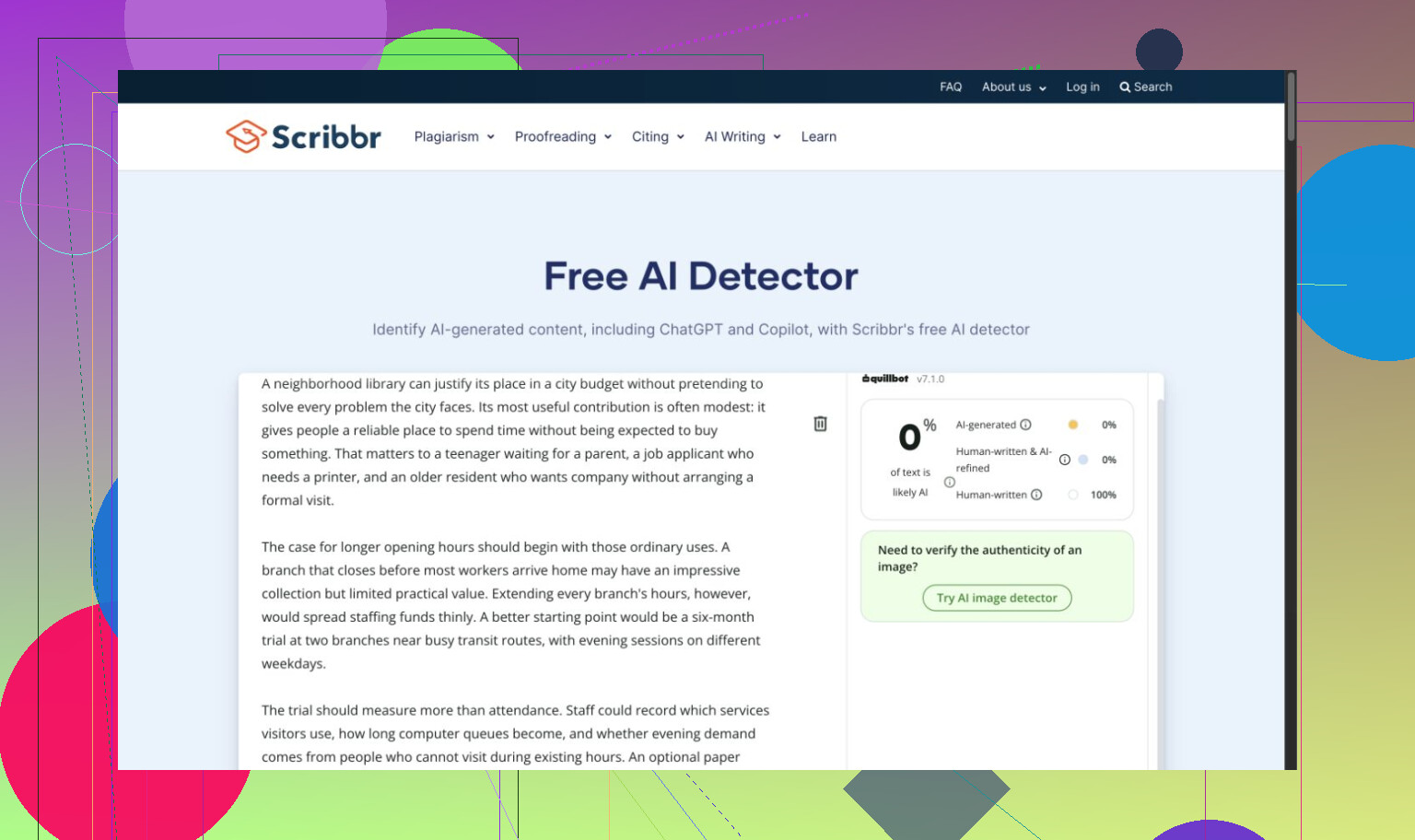
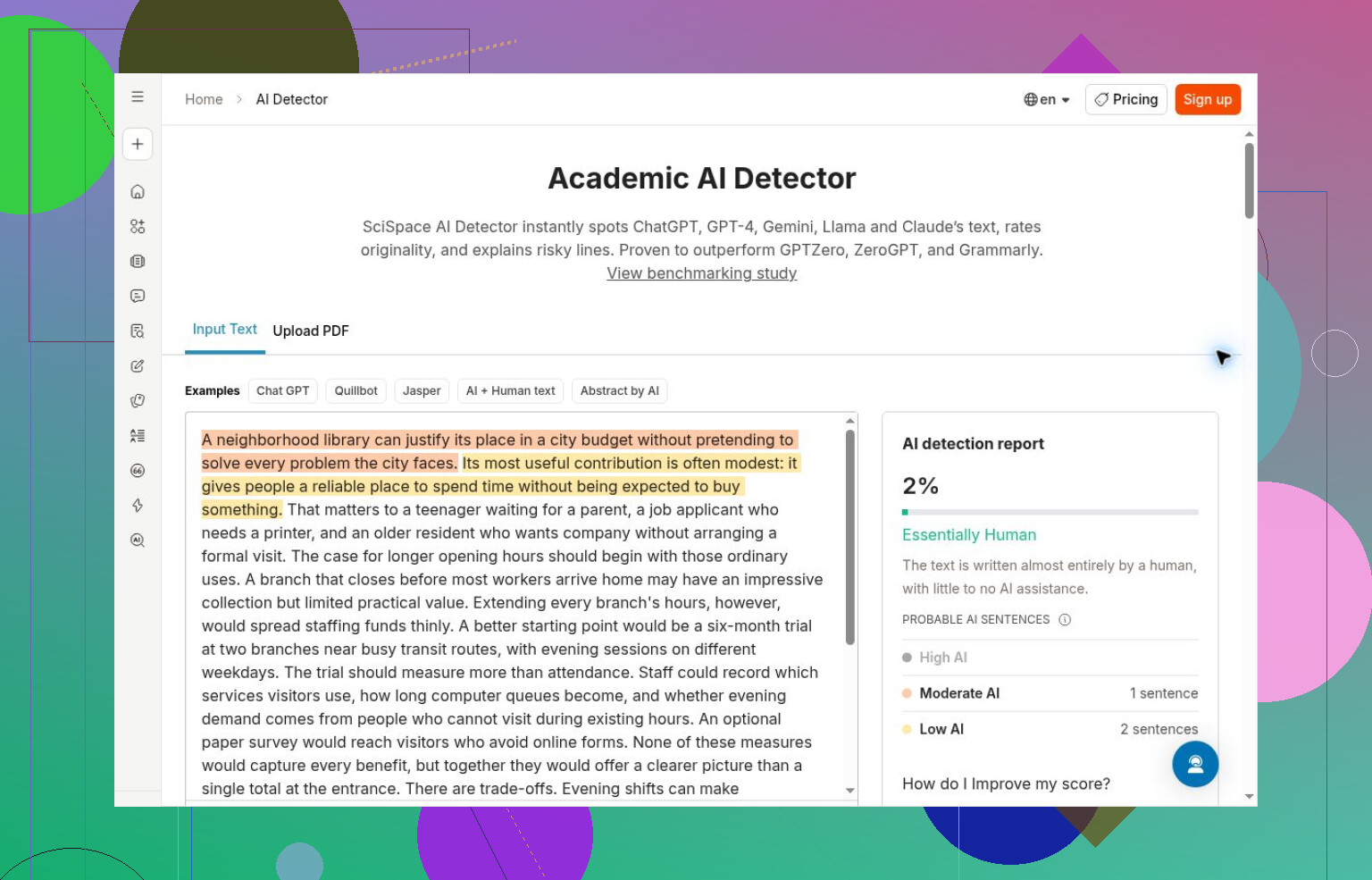
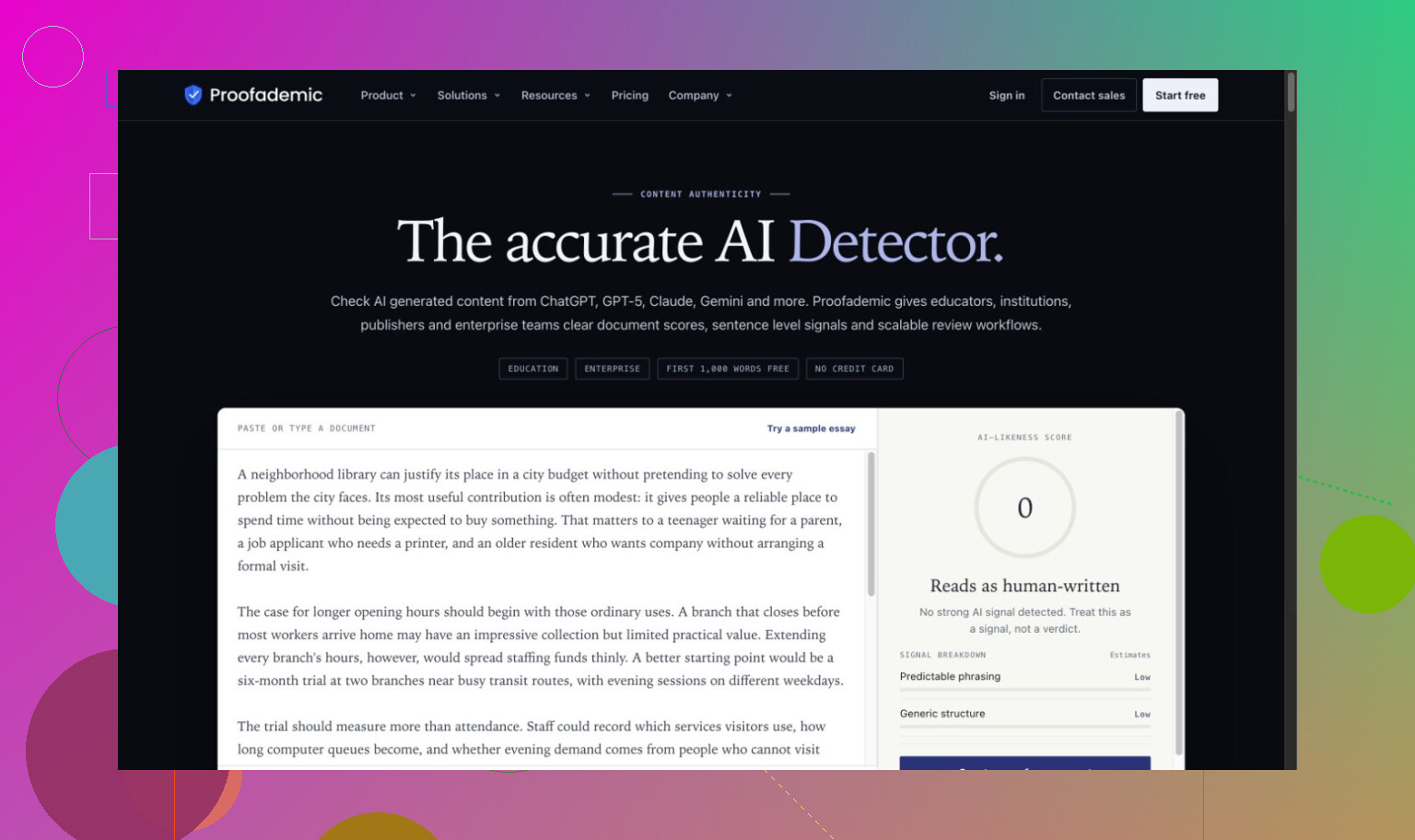
Errors went both ways. QuillBot called all four generated passages 100% human-written. Scribbr missed the essay too; its visible QuillBot branding made me reluctant to treat them as independent votes. SciSpace gave the essay 2% AI. Proofademic’s public demo settled at 0/100 AI-likeness for both the essay and Carroll. Surfer assigned the essay, story, and Carroll 0% chance of AI writing.

I also found reasons to distrust comparisons between apparently similar numbers. Originality.ai’s 100% confidence applied to a verdict under my selected 15% AI Allowance, not a count of generated words. Sapling checked only 2,000 of the essay’s 2,070 characters, although its complete story and human checks were correct. GPTZero retained an old score after I changed the input; I did not count that as another scan.

Separate useful results from access problems

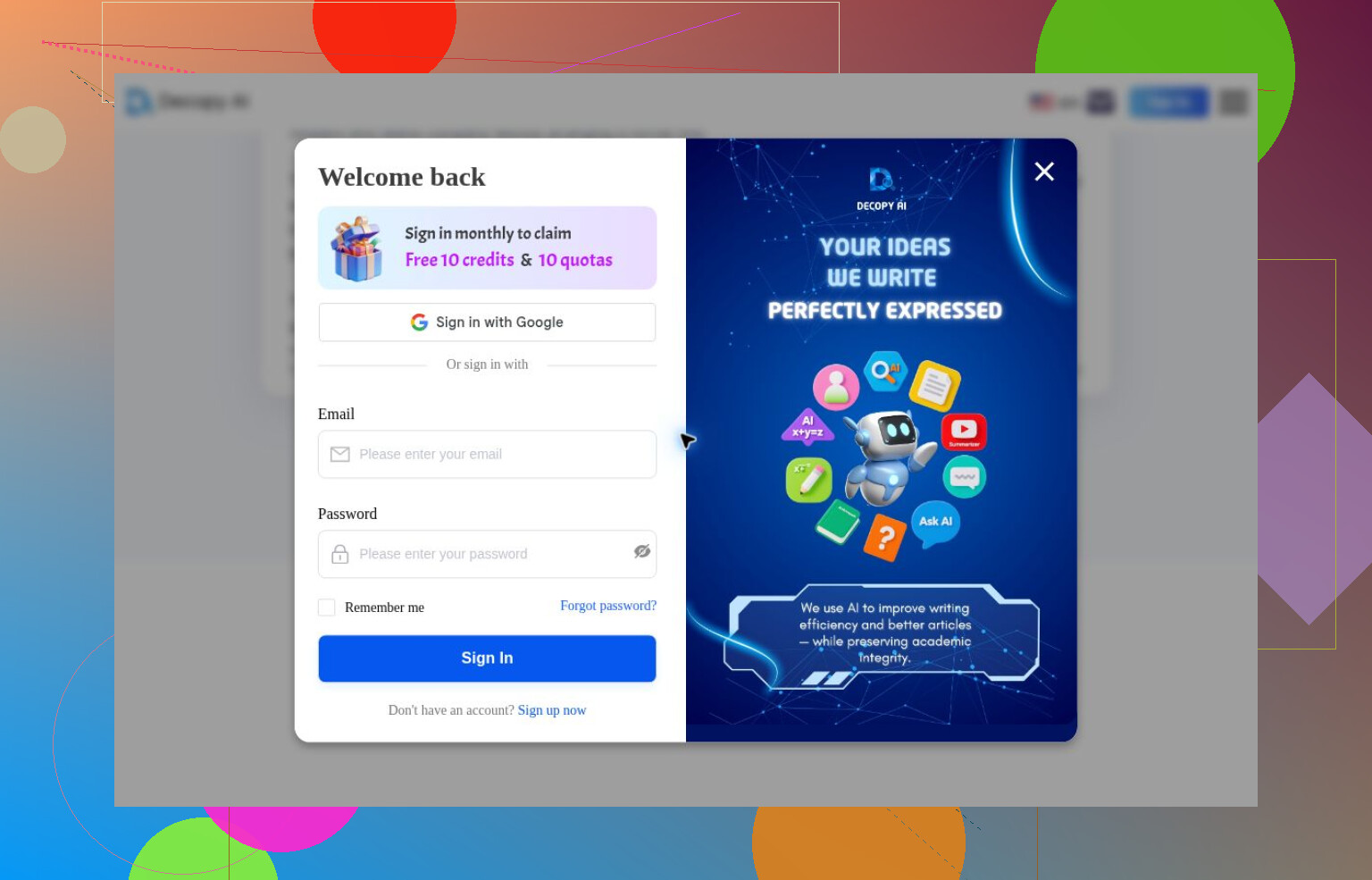
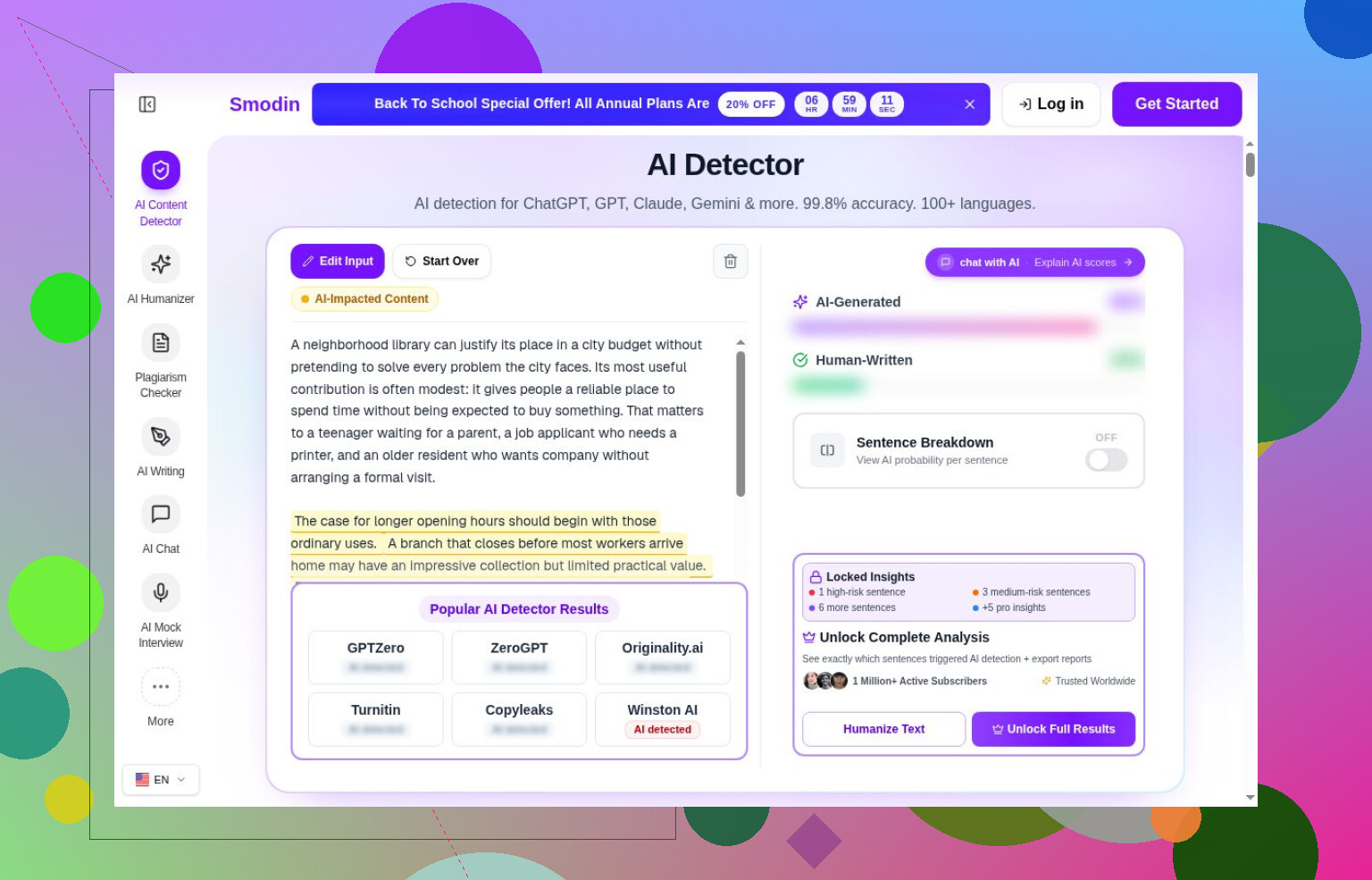
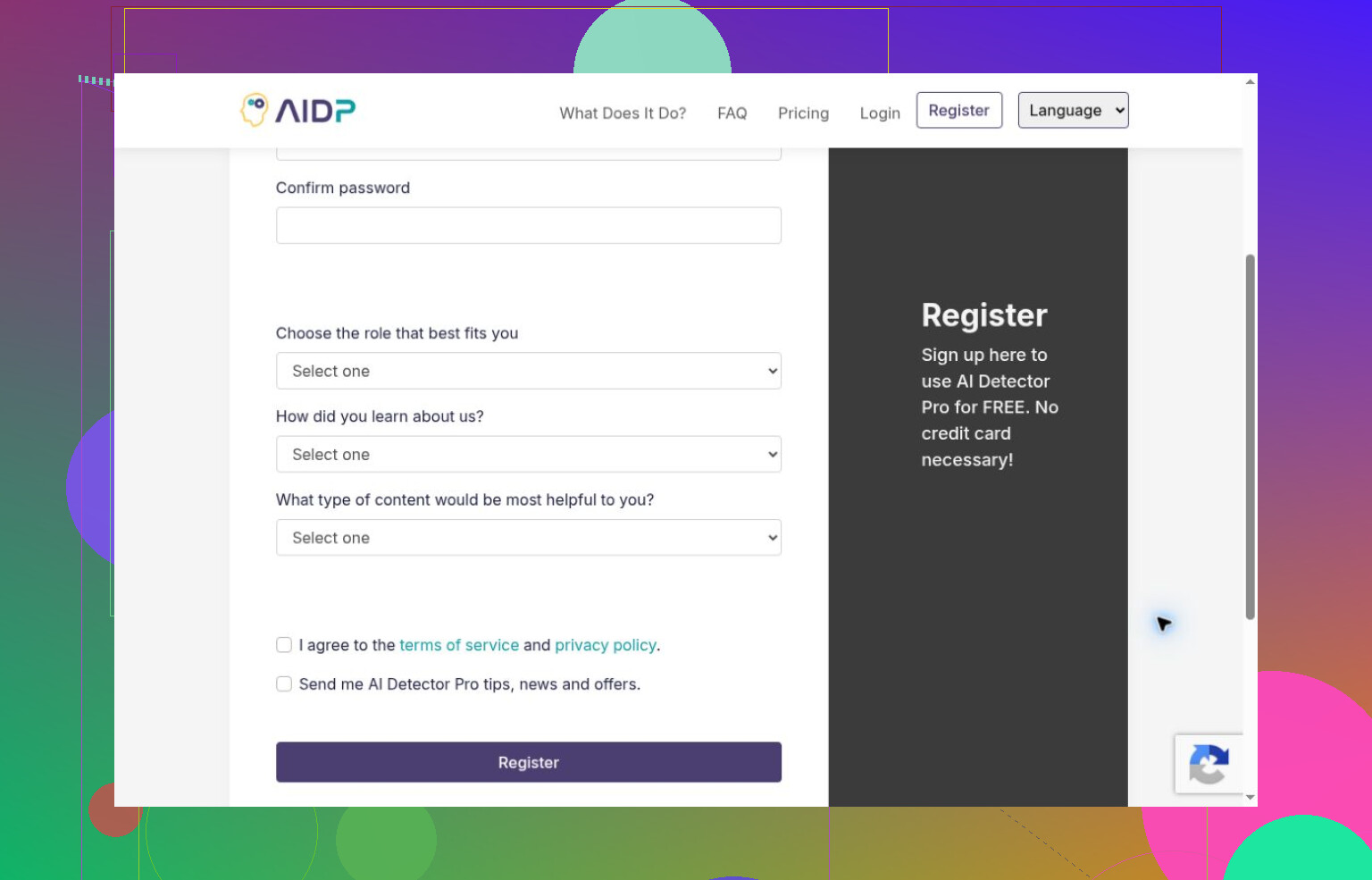
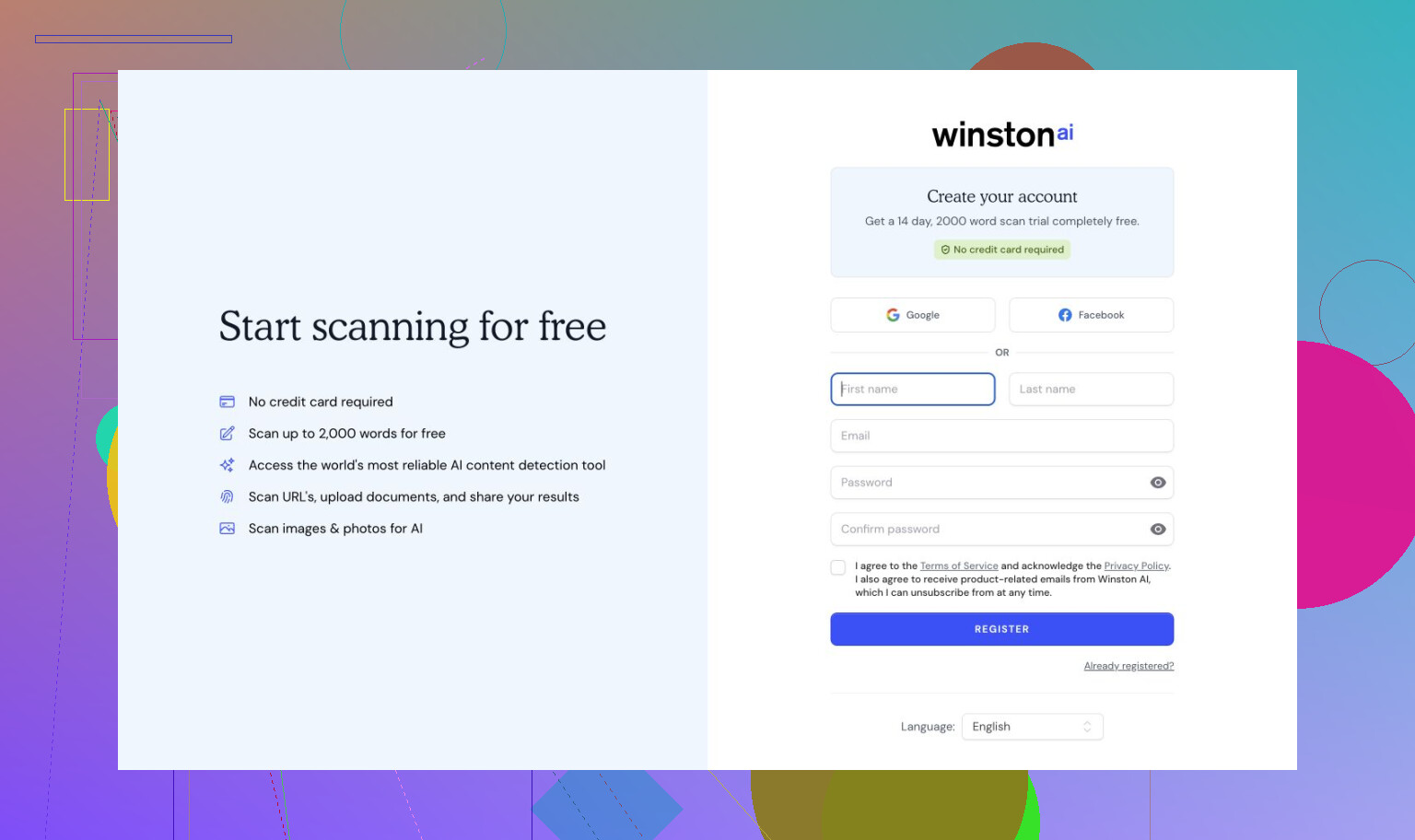
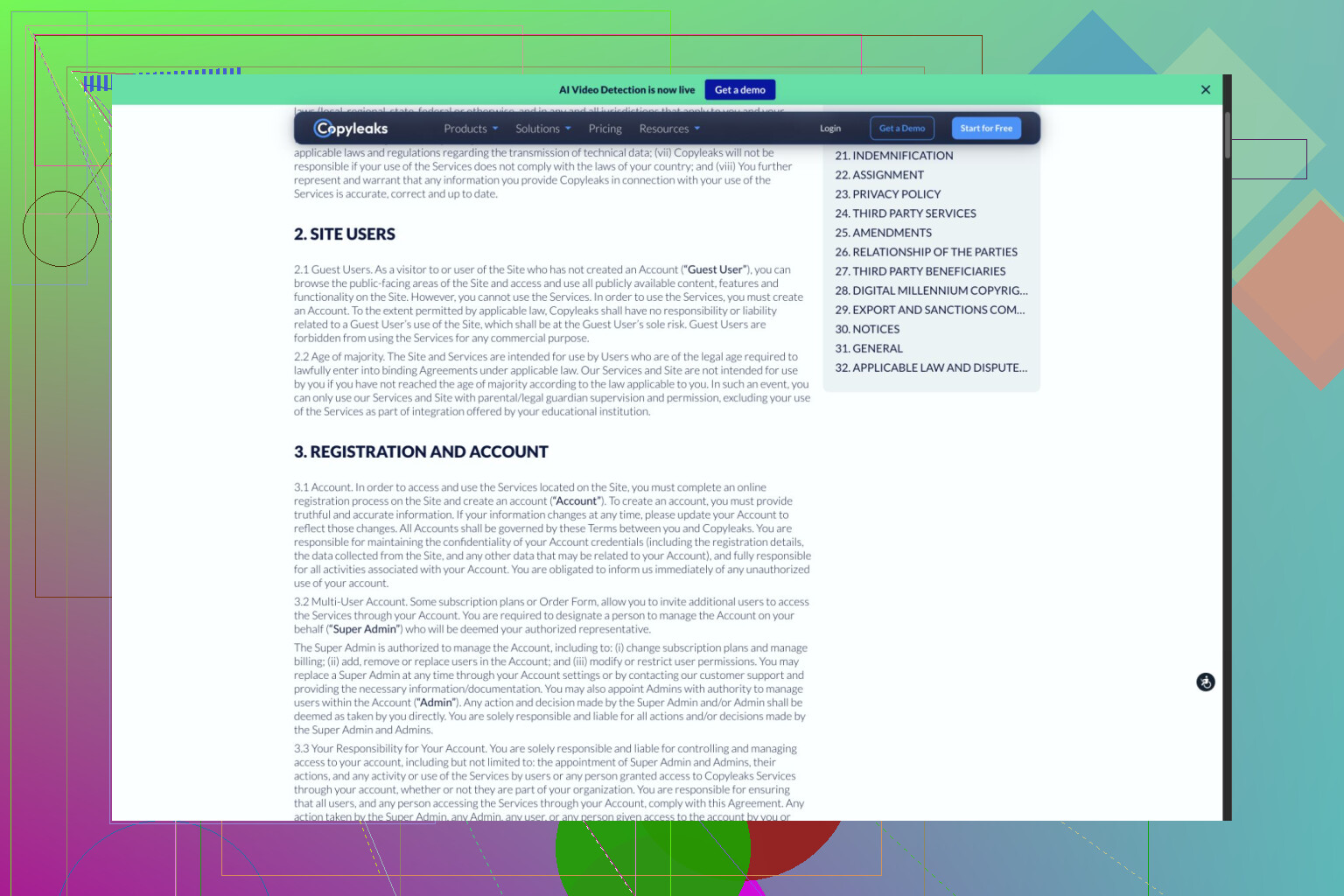
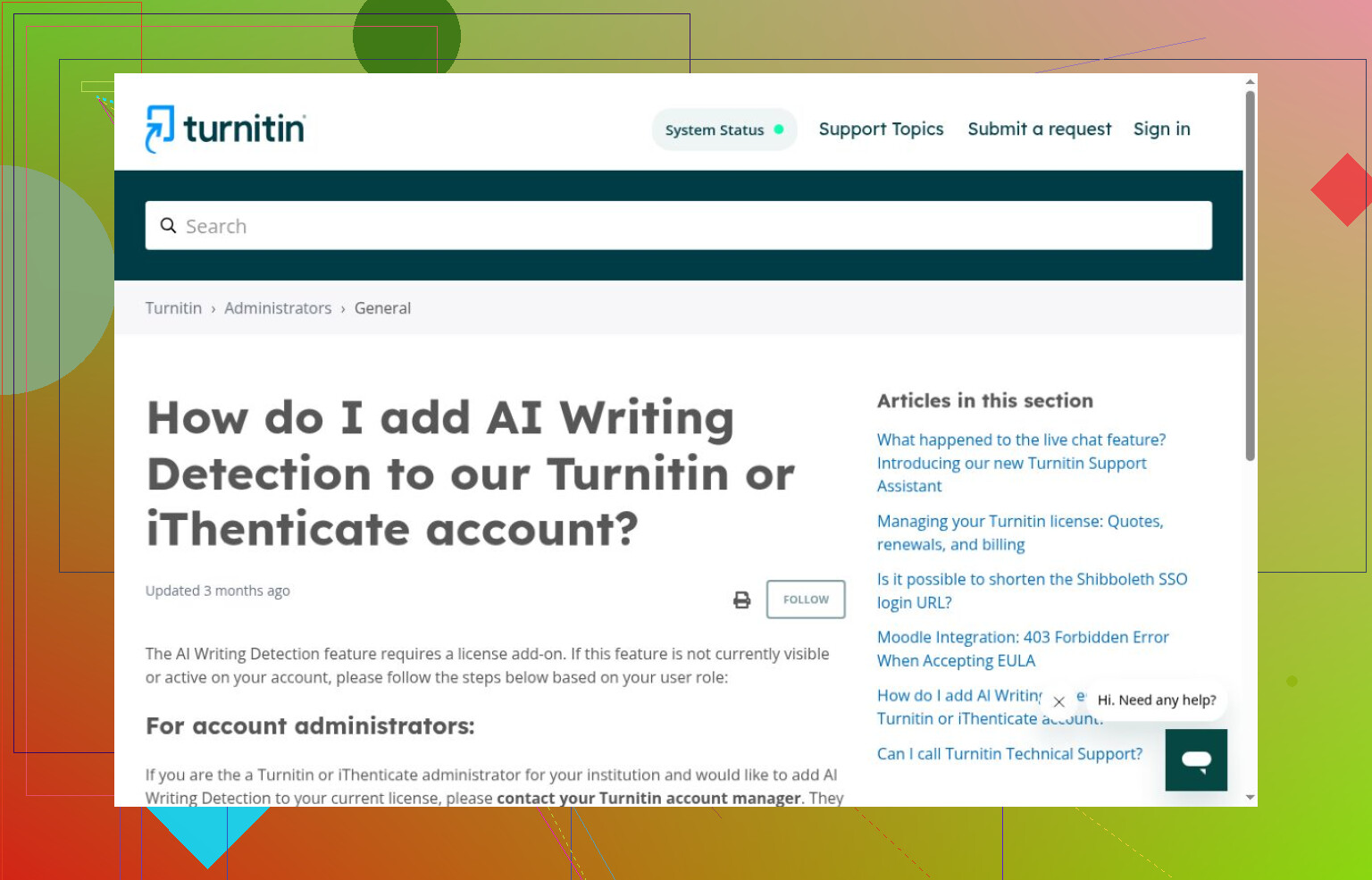
For saving time, I would first separate tools that returned readable results from those I merely inspected. Decopy requested login, Smodin obscured its headline percentages, and AI Detector Pro and Winston required registration. I stopped at Copyleaks’ applicable-use terms. Turnitin needed institutional access and a license add-on. None of that establishes poor detection.

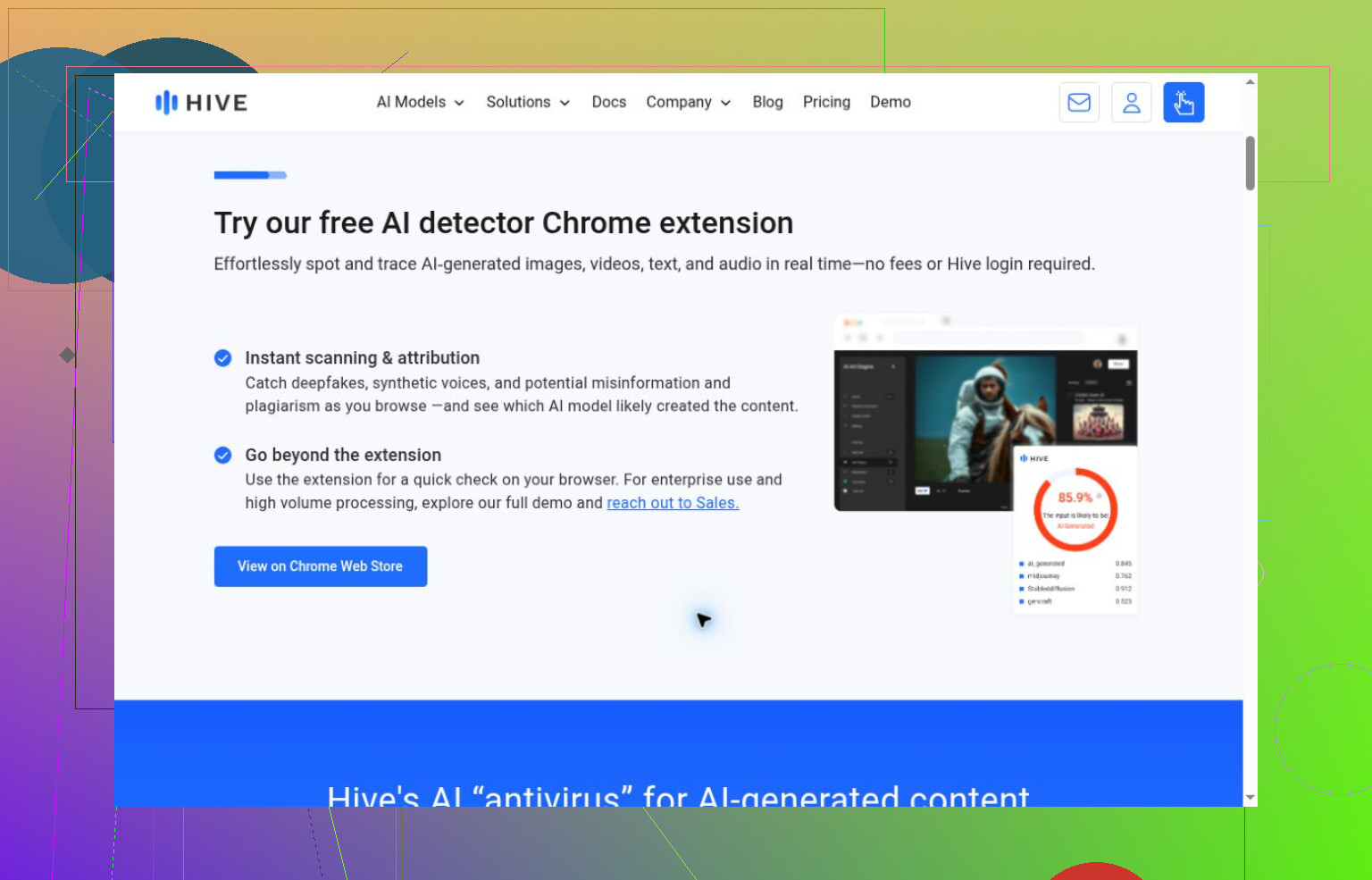
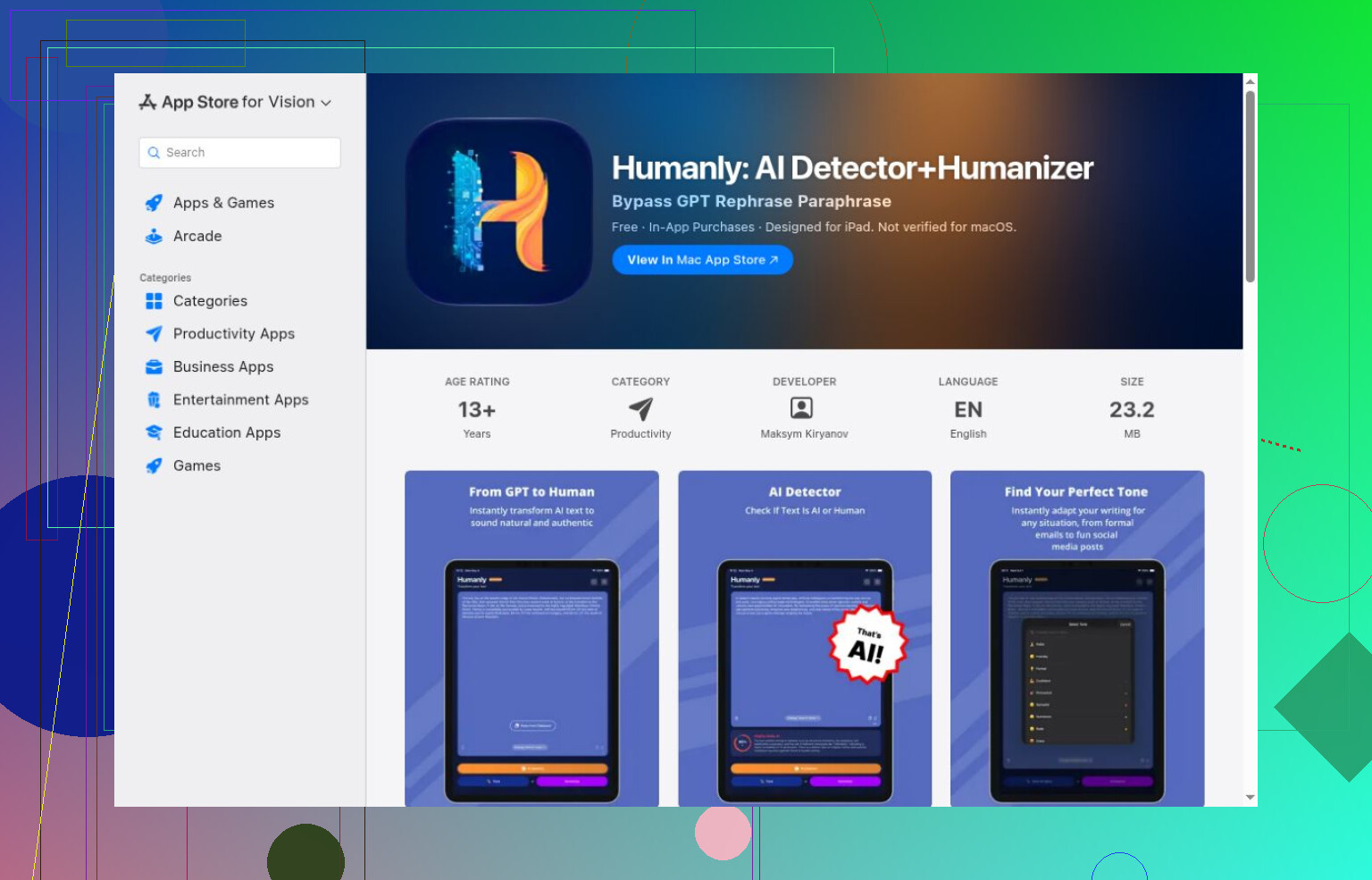
Hive’s inspected demo handled media; I did not try its text extension or API. ContentDetector.AI led to a Moxby extension listing. Humanly was an Apple app listing with free download and in-app purchases. I installed neither extension nor app, so those remain untested.

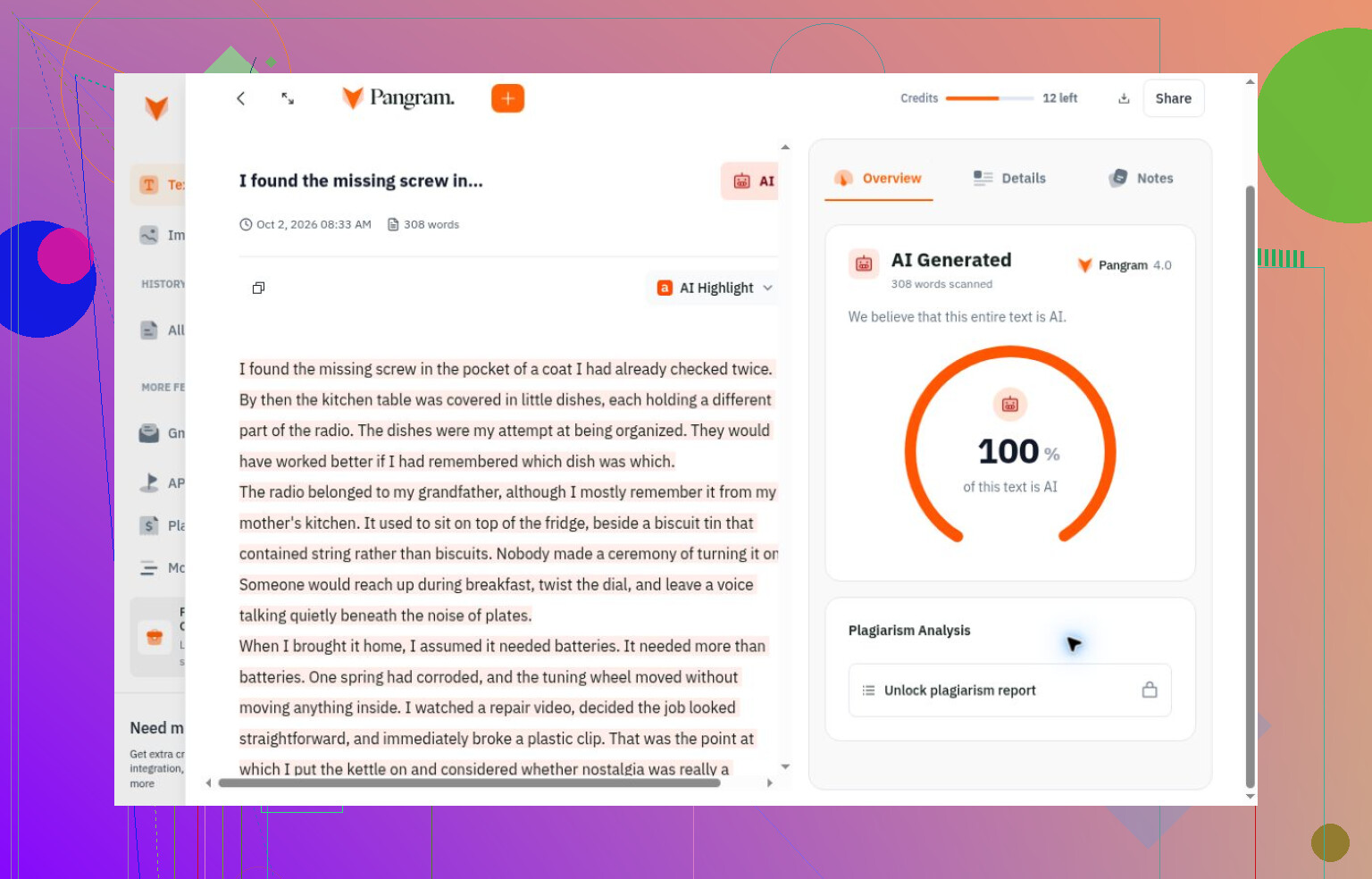
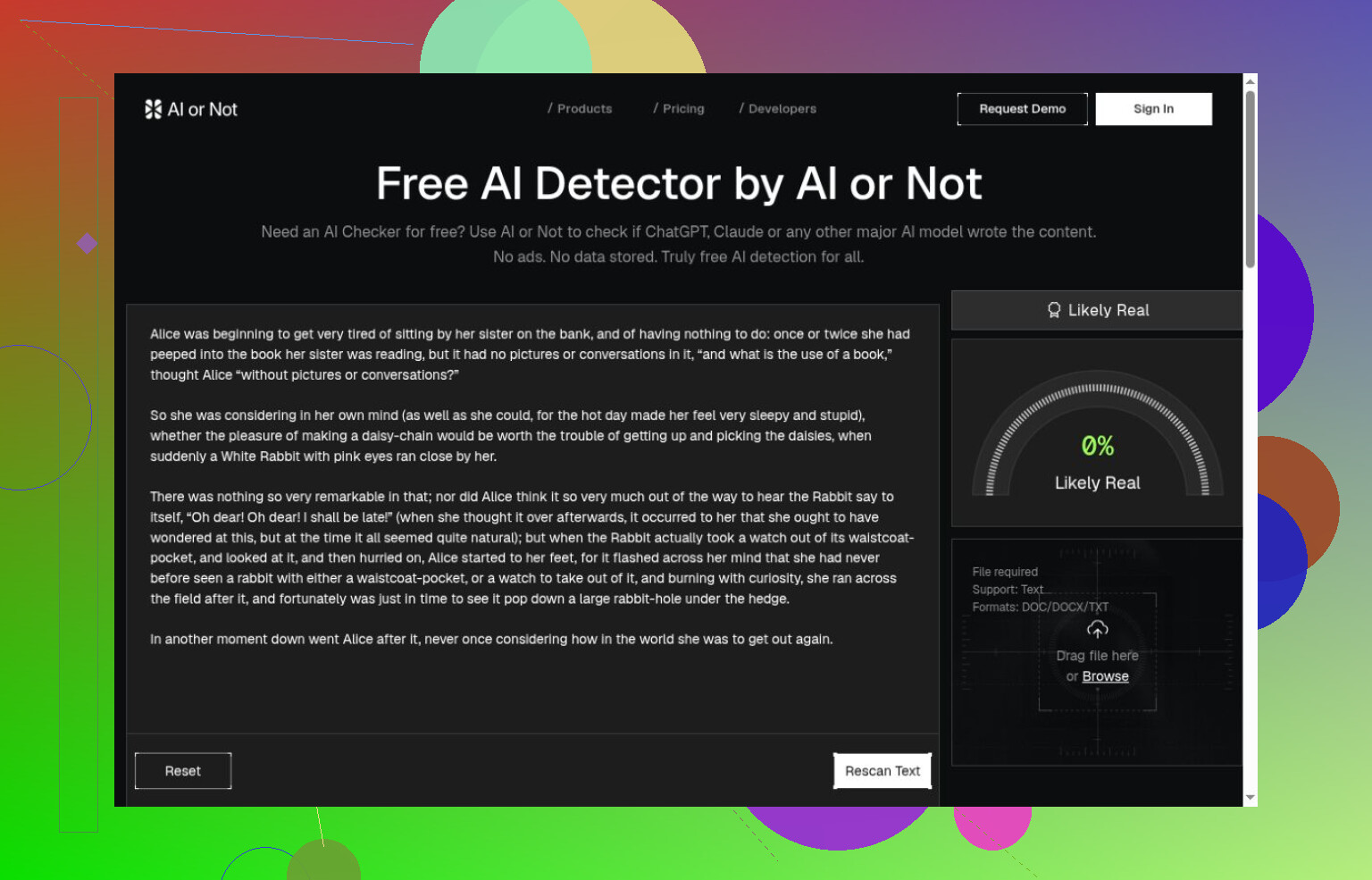
Among completed checks, Pangram correctly identified three generated passages and accepted Carroll, but access ended after five checks. Its twenty credits did not equal twenty scans. Originality.ai and AI or Not each made three correct calls on known AI and human samples. Their narrower coverage matters.

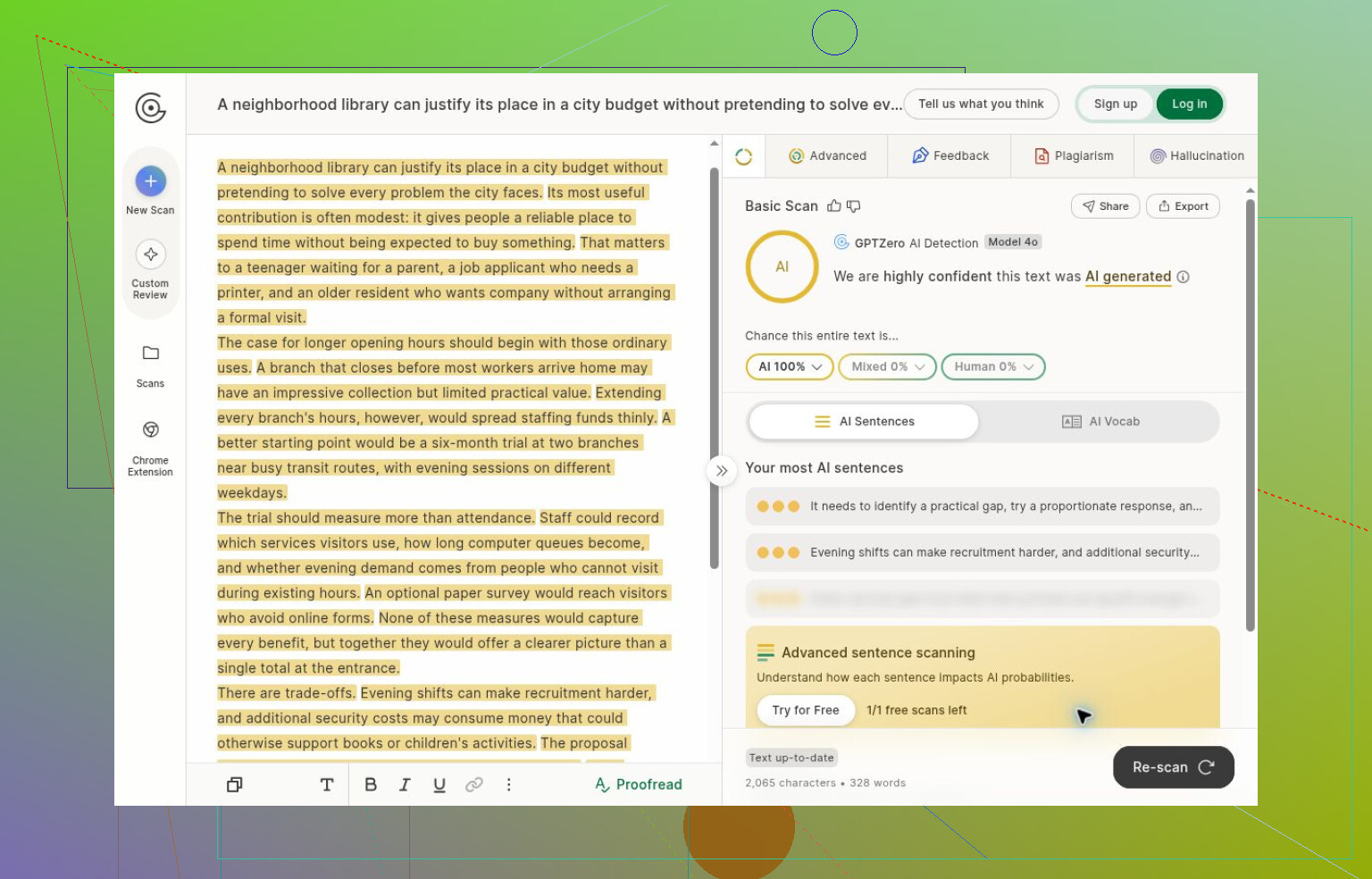
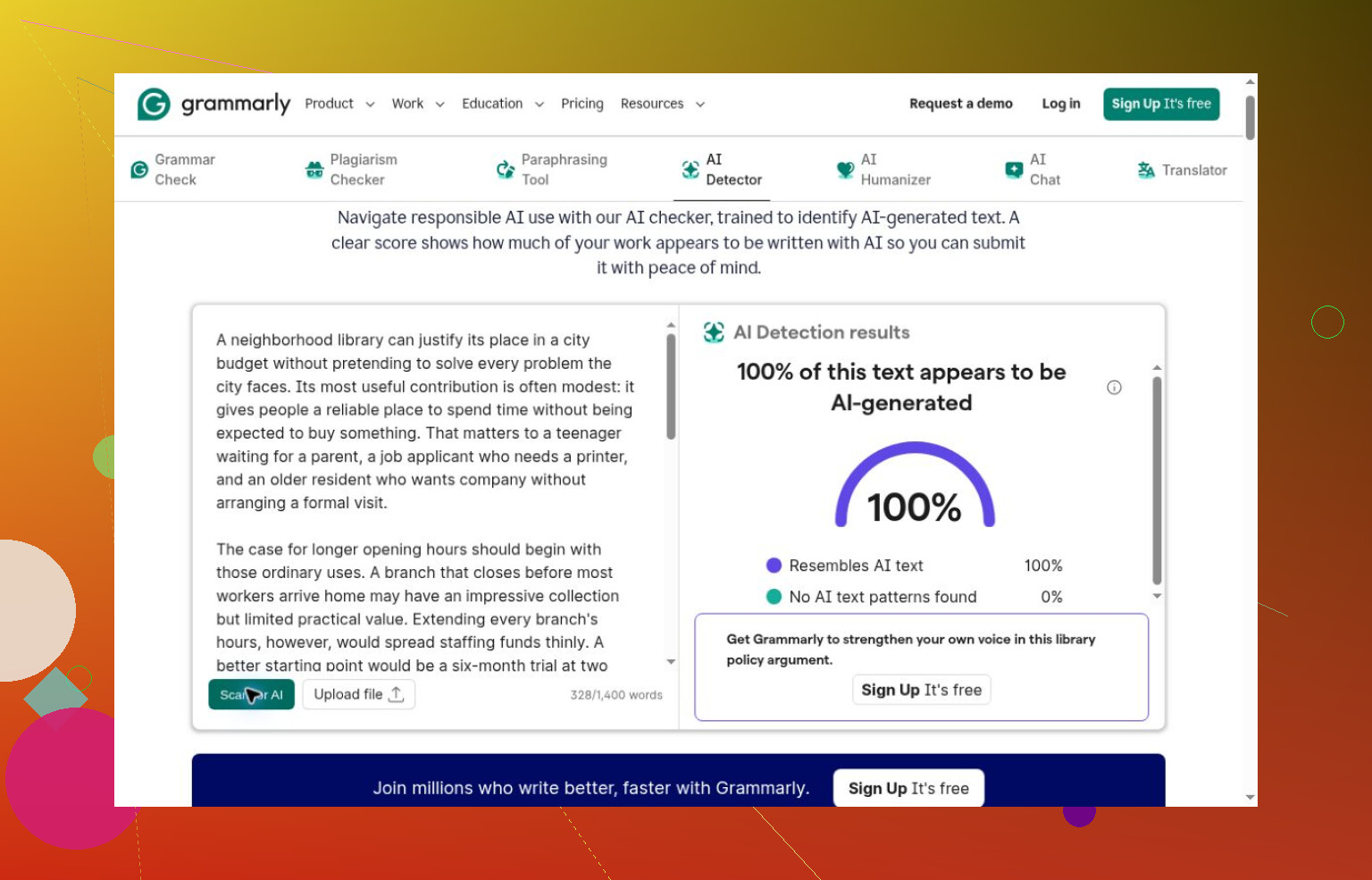
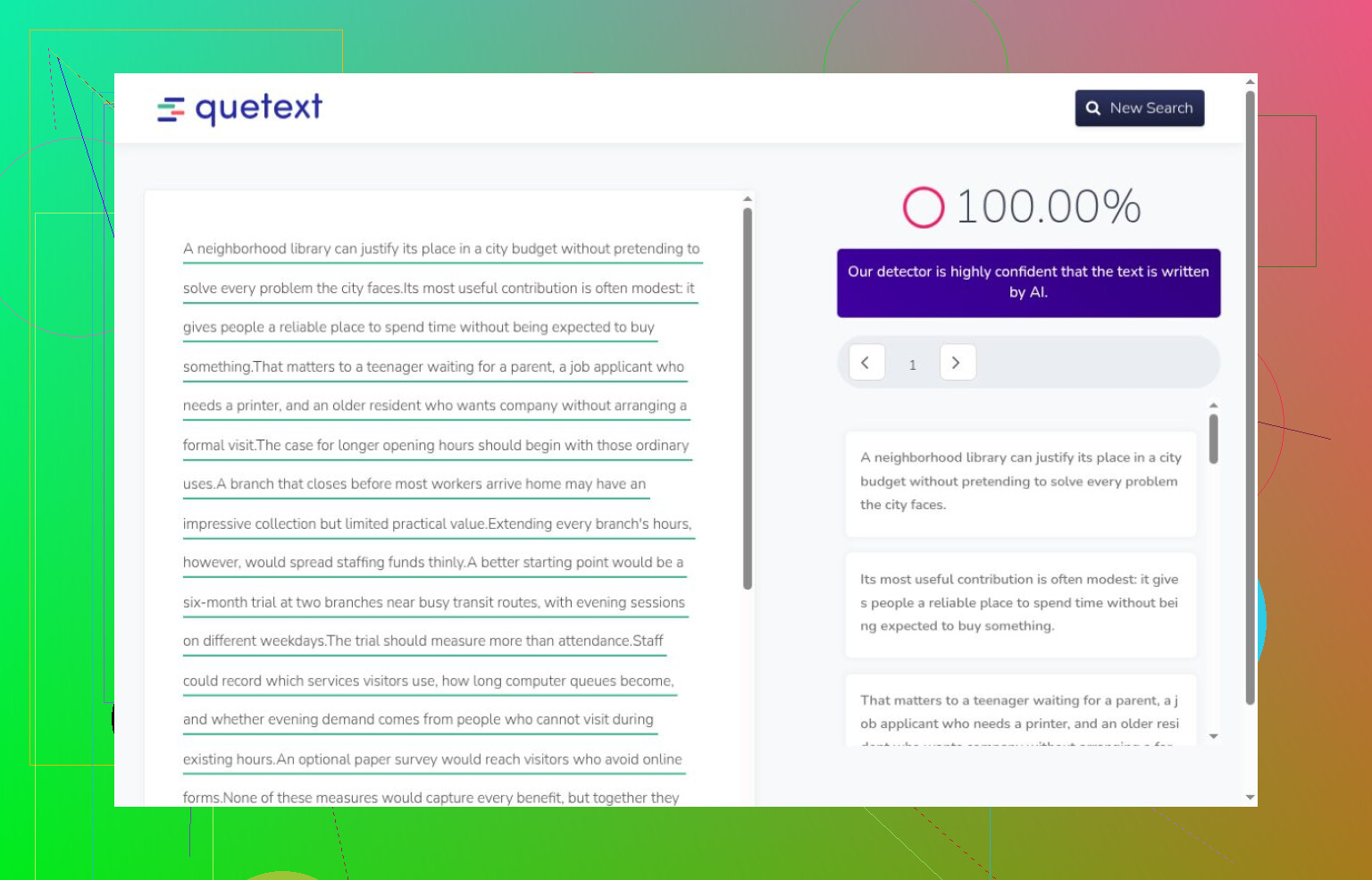
GPTZero caught its first three AI inputs before signup intervened. Grammarly and Quetext each caught the essay, then blocked further guest testing. Without human results, I cannot assess their false positives.

The most practical free option in my session completed all six checks without payment or registration, caught the generated passages, and accepted Carroll. It also labeled the lightly edited Carroll passage Human 99%, and some sentence markings conflicted with the headline, so I would not rely on its explanations uncritically. That option was Clever AI Detector.

I would keep drafts and sources when investigating disagreements rather than turn scores into accusations. I did not test paid workflows, multilingual coverage, or varied modern human writing. My verdict: Clever was the most convenient free checker I tried, but none earned my trust as proof of authorship.
14 Likes

The one piece of information missing is whether the first score described the entire tutorial or only that specific paragraph. A document verdict and a paragraph verdict are not necessarily contradictory, even if the wording is identical. I would provide more clarification before resorting to Clever AI Detector or other checker as a tie-breaker.

Repeat the exact same submission first.

Before comparing the tutorial with an excerpt, I’d check whether each gets a consistent result on its own. Submit the full piece again without editing it, then repeat the paragraph-only check. Keep the pasted text identical, including the heading if you included it originally. Save the result beside each input so you’re comparing actual runs rather than remembering which score went with what.

@crystalpilot6433’s distinction matters, but it leaves a separate question unanswered: does the result change when the input doesn’t? If repeated submissions give substantially different verdicts, that’s a different complaint from a paragraph getting a different verdict outside the tutorial. If each input keeps getting roughly the same result, you’ve narrowed the issue to the full-text versus excerpt comparison. You still haven’t established why it happens.

The multi-tool comparison doesn’t resolve that particular question. Switching to Clever AI Detector or another checker at this stage changes the tool as well as the input. I’d keep those experiments separate rather than collect more scores and try to vote on which is right.

For a review, I’d be specific about what the interface actually showed. Did it flag that paragraph inside the full document, or did it only give an overall verdict? “The verdict changed when I checked an excerpt separately” is a useful observation. “It contradicted its own assessment of this paragraph” needs that paragraph-level result from the original scan. That distinction would matter more to me as a reader than another detector ranking.

I would expect the result page to tell me whether checking a paragraph alone is a supported application of the tool. As a user attempting to interpret these results, I wouldn’t know if I did a useful second check in my paper or if I asked it to analyze too little text.

That’s what still confuses me after @neonserver411’s suggestion. Repeating the submissions would help sort out whether the results stay consistent, but suppose they do. You could still have two repeatable numbers without knowing whether the tool considers both submissions suitable for analysis. I’d look for guidance about excerpt length before spending much more time running checks. I don’t know what ContentDetector.AI showed on your result page, so I wouldn’t assume it gave you that guidance or that you overlooked it.

There is a difference between letting me press the button and explaining what I can reasonably learn from the result, and if paragraph checks are going to come with restrictions I’d want those next to the score. If the software requires a minimum length, I’d want to know that it’s the amount of text necessary to submit something, or the amount recommended for interpreting a result. These would have different meanings to me, and a percentage would fail to address either.

As for your consideration on my part, I think it would be worth considering the explanation around the result as a separate point from the verdict. You don’t have to prove that the detector contradicted itself to describe the ambiguity of the interface. If the software does not explain how to treat an excerpt, that would be a useful criticism for me to hear as a potential user. A concern, I think, would be if I could understand the output without a forum to explain it to me.

I would hesitate in any change over this tutorial, since if the paragraph tells me what to do, I would have to guess at what would be considered a ‘fixed’ paragraph based on a different score. I would expect, in simple terms, a yes or no about appropriateness, and an explanation of the limitations before I am handed back a result that seems definitive.

Repeating the scan isn’t the first step if your tutorial contains anything you’re not free to share. Before following @neonserver411’s testing suggestion, check the draft for client names, internal instructions, credentials, or unpublished work. Then check what the service says about storing submissions and deleting them. I wouldn’t paste the tutorial into more detectors until that’s clear.

If sharing the text is okay, proceed with the repeat checks. If it isn’t, use a made-up tutorial for further experiments and keep those results separate from your original observation. Replacing sensitive details changes the input, so it won’t be an exact retest. For the review, I’d treat submission privacy as a separate requirement: you’re trying to understand an unclear score, and that shouldn’t require handing the same draft to a bunch of additional services.

Do not think of the two numbers as measuring the same thing to start with. A score over an entire document is not the same as a score over a single paragraph by virtue of the fact that they’re scored with different math, even if the words are the same, so chasing a supposed ‘contradiction’ is misleading.

Most detectors break text up into sections, score each section individually, then combine the scores for a headline-worth summary. If you pasted the full tutorial, your paragraph is just one section among many, and the sections around it influence its weight. Plucked out of context like that, the paragraph is now the sole section in the sample, and its score is determined without consideration of neighboring text. All other things being equal, this should produce noticeably different results simply by virtue of using different units of analysis, but that doesn’t mean there isn’t some software bug at play.

So I’d gently disagree with the framing in a couple of the earlier replies. @neonserver411’s repeat-the-run idea is good hygiene, but even if both inputs come back perfectly stable, you still won’t have caught a bug, because nothing is malfunctioning. You’ll just have confirmed that a short isolated block reads differently than the same block embedded in longer text. @reveurdenuit is closer to the real issue for me: the gap isn’t in the result, it’s in whether the interface ever told you the excerpt was long enough to mean anything. Short samples are where these tools are least reliable, full stop.

The thing people seem to forget is that almost all of them have a minimum length for text, and below that, the percentage is skewed in a way that makes it look just like any other result, despite being completely meaningless. If your paragraph was too short, the standalone number is practically worthless, regardless of which detector you use, it could be Clever AI Detector or any other.

As for the review itself, I would phrase it more like it let me do an experiment with insufficient text and made a confident answer out of it, regardless of there being no real basis for it. It would not be an accusation against the tool itself, but rather a remark on it, and it’s a valid one at that, if you ask me. Also, if the paragraph was yours, I would stop pestering you with new detections trying to find the one that got it right, because two contradicting results are not a sign of one being more truthful than the other, if they were based on text of differing lengths.

Don’t borrow @silverpilot369’s explanation of the scoring mechanics for your review without documentation to back it up. Your results don’t establish that the tool weights sections that way, that the paragraph was too short, or that nothing malfunctioned. I’d leave the cause unresolved rather than give the software an explanation its own result page apparently didn’t provide.